THE TRUTH ABOUT EYESIGHT AND WEARING GLASSES: DEBUNKING COMMON MYTHS
The main points of the blog post
- Glasses correct refractive errors like myopia, hyperopia, and astigmatism without worsening eyesight.
- Regular eye exams are crucial for accurate prescriptions and preventing strain or discomfort.
- Glasses don't inherently worsen vision or increase dependency; aging and natural changes in vision play a larger role.
- Wearing the correct prescription prevents eye strain, headaches, and blurred vision.
- Comprehensive eye care, including regular check-ups, is essential for detecting and managing eye diseases early.
- Neglecting to wear prescribed glasses, especially in children, can accelerate vision problems.
Myth vs. Reality: Understanding How Glasses Work
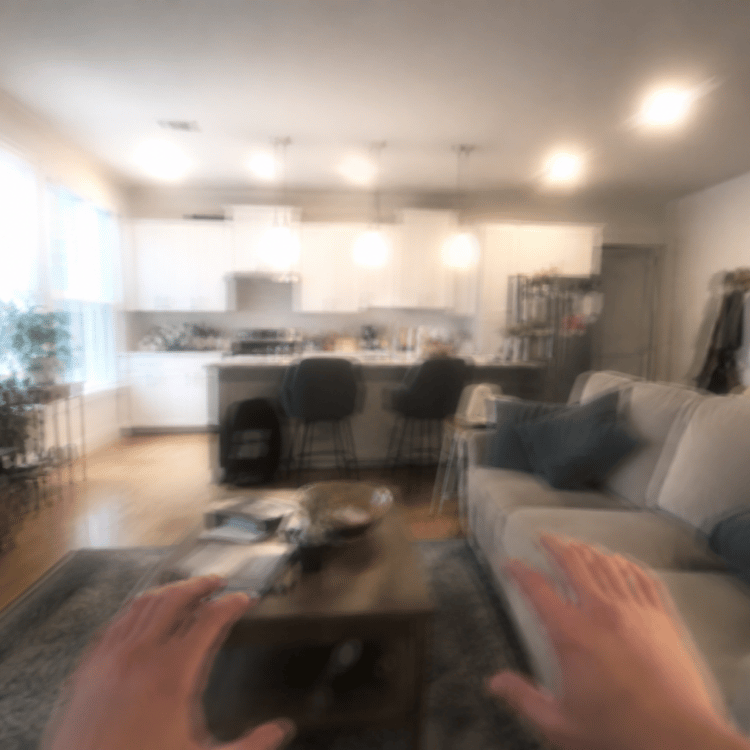
Glasses are vital for correcting refractive errors such as myopia (nearsightedness), hyperopia (farsightedness), and astigmatism, enhancing clarity and efficiency in vision. Refractive errors cause blurry vision or inefficiency in the visual system. Contrary to common belief, glasses do not indicate poor eye health, nor do they cause deterioration in eyesight.
They are tools designed to correct vision imperfections, ensuring better visual performance and comfort.
- Progression of myopia: Glasses don't make your eyesight worse, so talk to your eye doctor, especially if your child wears glasses.
- Other eye problems: Glasses are not a solution for all eye conditions. Some may require medication, surgery, or other interventions.
The Role of Glasses in Eye Health: What’s Missing in the Conversation?
Some may conclude that they are more likely to develop an eye health condition or disease if they wear glasses – with a few exceptions, this isn’t usually the case. Someone who has “20/20 vision” without glasses still needs to be seen regularly for eye health exams. Eye diseases and disorders often take many years to cause symptoms, and regular eye health exams ensure that all risk factors are assessed. Early intervention is key because eye disease is often more difficult to treat successfully in later stages.
Conditions like cataracts, macular degeneration, and certain types of glaucoma have been linked to refractive errors, underlining the importance of comprehensive eye care beyond just vision correction.
Optometrist’s Insights: Does Wearing Glasses Make Your Eyes Worse?
A frequent question from our patients is whether wearing glasses makes your vision worse, or whether wearing glasses increases one’s dependence on them. Since glasses are prescribed to correct an inaccuracy or inefficiency of the visual system, as described above, prescription glasses will never cause eyesight to degrade by wearing them. As for increasing dependence, over time our eyesight generally worsens as we age, so we will normally find ourselves wearing glasses more and more over time. However, this happens independently of wearing glasses (is not a result of it). Sometimes our tolerance for blurry/inefficient vision is decreased by wearing glasses that improve our vision, and we find ourselves wearing them more as a result.
These concepts are explained in this short video below
As your Calgary optometrist, I must emphasize the importance of wearing glasses with the correct prescription. Incorrect prescriptions can cause your eyes to strain, leading to headaches, discomfort, or even blurred vision. It's crucial to have
regular eye exams, as they ensure your glasses are perfectly tailored to your vision needs, preventing any unnecessary strain on your eyes and keeping you comfortable and seeing clearly.
Our Perspective: Enhancing Understanding Through Education
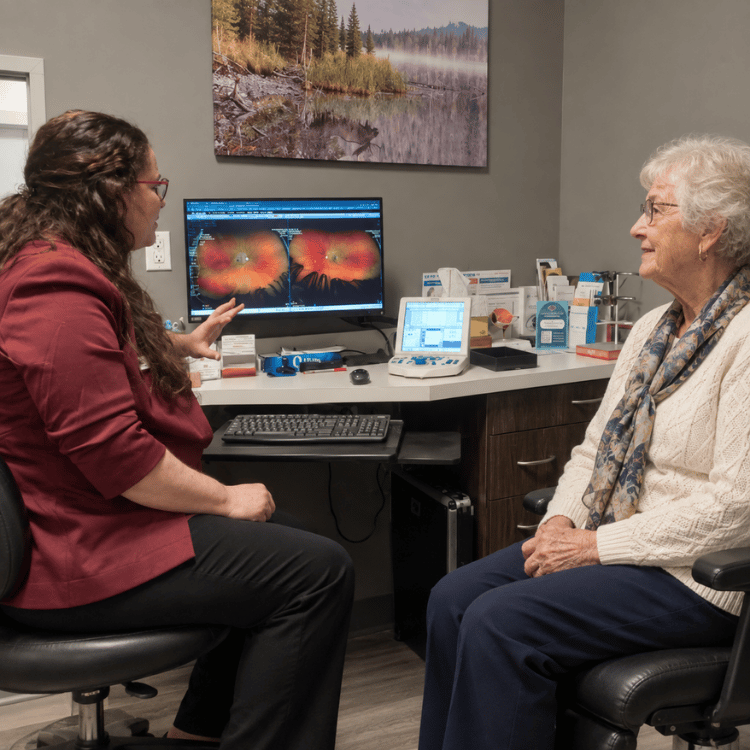
It’s important to us that you, our patients, are fully involved in all aspects of your eye care. Understanding the reasons why glasses are prescribed will increase comfort, and clarity and reduce potential sources of eyestrain for the various tasks you perform daily.
The Impact of Not Wearing Glasses When Needed
New research suggests that children at risk of rapid myopia progression may have their eyesight worsen more quickly if they neglect to wear their glasses. Other people may have an eye muscle imbalance that may cause double vision or focusing problems. Glasses may establish improved function for these folks, and most need to wear their glasses during most all waking hours or they risk a deterioration of their condition over time. For less complex cases, we always recommend that glasses be worn for tasks like driving if indicated because even a small improvement in vision can improve reflex time and avoid an accident.
We are here to help. Our expert optometrists will advise you on your specific needs and are available to answer your questions on glasses, contact lenses, eye health conditions, and more.
Schedule your next comprehensive eye exam with Mountain View Optometry.
Our team of experienced optometrists at Mountain View Optometry in Calgary and Cochrane is here to guide you through understanding your eye health, selecting the right glasses, and answering any questions you may have about eye care. Ensure your vision and eye health are at their best by
scheduling your next comprehensive eye exam with us.