Everyday situations can put your eye safety at risk
Over 90% of all eye injuries are preventable. One does not necessarily have to be involved in a dangerous occupation or hobby to be exposed to this risk. This article will discuss a few commonly encountered circumstances that may threaten your eyes and your vision.
Air Bags
There is little doubt that air bags have saved thousands of lives since they were first introduced over 20 years ago. They can, however, cause injuries including abrasions of the cornea, fractures of the orbit and even retinal detachment. To reduce this risk:
– Ensure you are always wearing a seatbelt while the car is in motion
– Your headrest should be properly adjusted to prevent backwards movement
– You should position yourself at least 10 inches away from the steering wheel to reduce the impact of the airbag if it deploys
Laser Pointers
A common teaching tool, some laser pointers do have the potential to damage the retina. In at least one instance a teenager was found to have incurred this type of injury after playing with a laser pointer in front of a mirror. The device used was later found to be a higher powered version than that readily available, but the incident resulted in the American Academy of Ophthalmology issuing a consumer warning about laser pointers. As a general rule:
– Never point a laser device directly at the eye level
– Always keep such devices away from children
– Never point a laser device towards a mirror
Bungee cords and champagne corks
New Year’s eve is over for this year, but the fact is that popped champagne corks have been known to cause severe eye damage, including ruptured eyeballs, retinal detachment and dislocated lenses. Bungee cords can cause similar problems. Follow these guidelines to avoid the risk:
– Chill the unopened bottle to about 7 degrees Celsius which will reduce the force behind the cork when opening the bottle
– Do not shake the bottle before opening
– Direct the cork away from your eyes (and those of others) when attempting to open a bottle
– When using bungee cords, always wear safety eye protection
Fireworks
Fireworks cause thousands of injuries every year in North America. For obvious reasons the potential damage to the eyes is severe. Follow these guidelines to reduce your risk:
– Observe firework displays from at least 500 ft away
– Never let children use fireworks (in one study, sparklers were found to be the most common cause of fireworks-related eye injuries in children under 5 years of age)
– Allow trained professionals only to handle fireworks
Household chemicals and garden tools
Certain common chemicals found in our homes may cause serious damage to the eyes and even permanent vision loss. Similarly, the use of lawn mowers, weed whackers and other motorized devices we all use in our yards can cause eye damage from deflection of debris. To avoid these concerns:
– Wear safety goggles when handling household chemicals such as bleach or other cleaning formulas
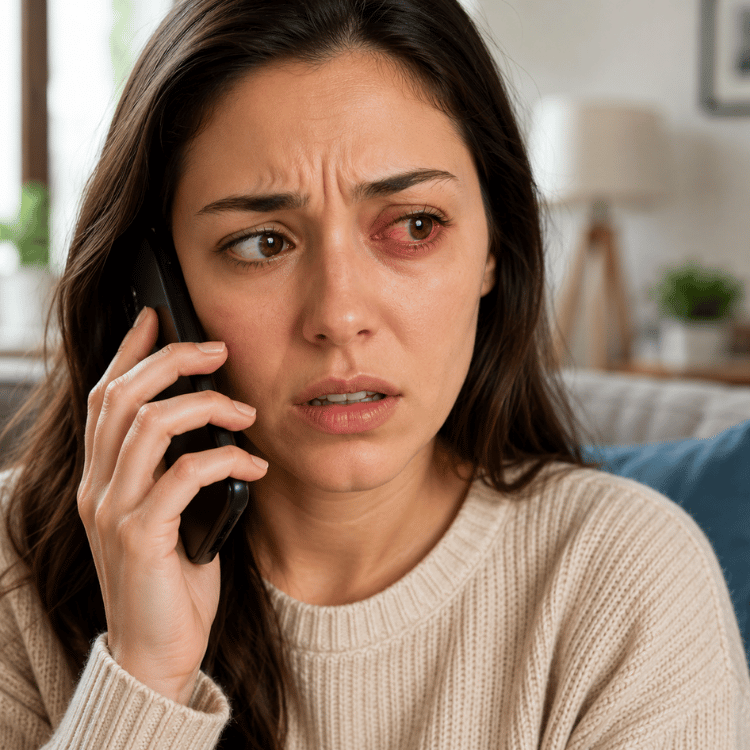
– If a chemical splash enters the eye, immediately flush with water for several minutes – ask a family member to call our office with the information about the chemical used for further instructions
– Remember that certain chemicals can cause blanching of the blood vessels of the eye while damage to the ocular structures continues to occur (just because your eye “looks ok” does not mean that it is!)
– Our optometrists recommend the use of safety goggles at all times when using any motorized garden device
Remember, you only have two eyes. Some injuries can results from situations we encounter on a daily basis. A few safety precautions can make all the difference in the world in reducing your risk.
-Dr. W