Office Lenses: The Indoors Vision Solution
Do your eyes feel tired after a long day in front of a screen? Do you find yourself squinting, shifting positions, or battling neck and shoulder tension just to see clearly at your desk? In today's digital world, our eyes are constantly working at close and mid-range distances, especially indoors. That's where office lenses come in.

What Are Office Lenses?
Office lenses are a type of customized progressive lens designed specifically for indoor environments. Unlike standard progressive lenses, which cover distance, intermediate, and near vision, office lenses optimize the intermediate and near zones, the distances we use most while working, reading, or using digital devices.
They provide clear, uninterrupted vision for up to a few meters, making them ideal for tasks like computer work, reading, or interacting with others across a desk. This makes office lenses a great solution for any activities involving extended periods of time indoors.
Benefits of Office Lenses
Reduced Digital Eye Strain
Office lenses help alleviate symptoms of Computer Vision Syndrome, such as tired eyes, blurry vision, and headaches. By optimizing the areas within the lens that you use most, they keep your eyes relaxed and focused most efficiently.
Better Posture and Comfort

Because the lens zones match your typical viewing distances, you don’t have to strain your neck or tilt your head to find the right spot. That means less physical discomfort over long periods of near work.
Improved Productivity and Focus
Clearer, more comfortable vision leads to better concentration. Office lenses help reduce distraction caused by eye fatigue, making it easier to stay on task.
Custom Fit for Your Workspace
Office lenses can be tailored to your unique workspace setup, whether your screen is close, far, or somewhere in between. Many people work on multiple screens at once, which can be well managed with office lenses.
Getting the Right Office Lenses
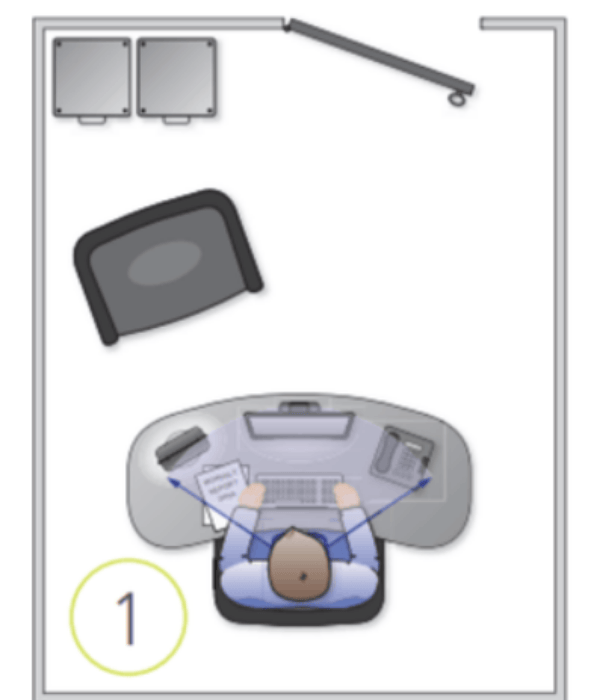
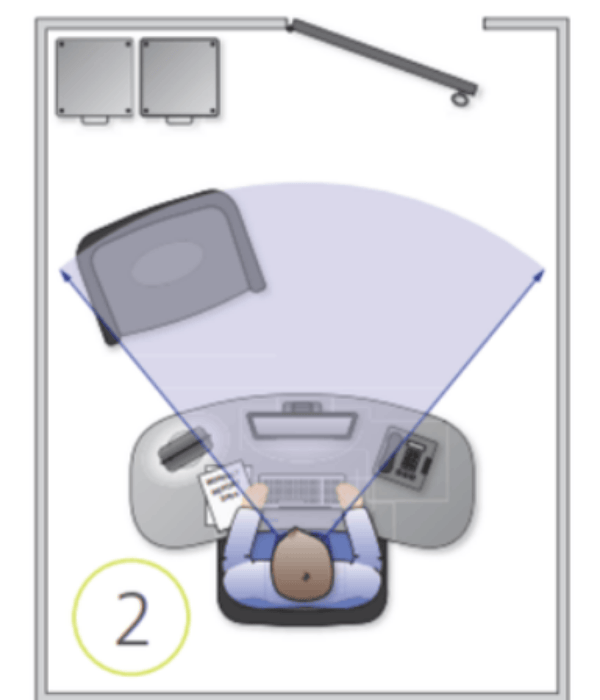
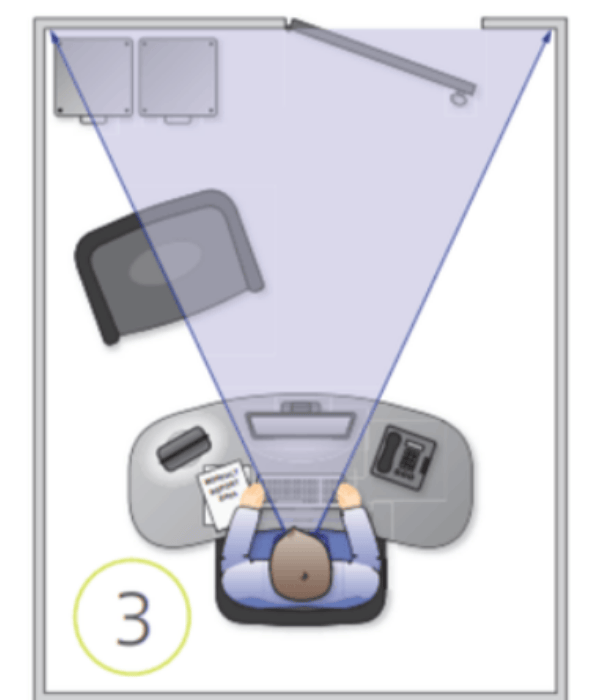
Depending on your daily activities, you can choose from three different lens designs, each offering a unique level of depth perception and visual field to match your needs.
1- Widest fields of clear vision out to 3 feet (100cm). For reading, using a laptop, tablet or other handheld device, and other visually intensive up-close activities.
2- Wide fields of view out to 7 feet (200cm). For reading, desktop computer use and a clear view of a cubicle or small office.
3- For nearly any indoor or closer-range outdoor visual activities, with wide, clear vision out to 14 feet (400cm.)
Who Should Consider Office Lenses?
Office lenses are ideal for:
- Office workers
- Nurses
- Teachers
- Writers and editors
- Graphic designers and coders
- Anyone who spends hours working indoors on digital screens
They’re also a great second-pair solution for people who already wear progressives but have difficulty using them at their desk or office environment.
FAQ:
Are office lenses good for computer work?
Yes. They're specifically designed for screen distances and reducing eye strain during long hours of computer use.
Can I wear office lenses outside?
They are optimized for indoor distances. For driving or outdoor use, standard progressives or dedicated distance lenses are better suited.
How are office lenses different from progressives?
Office lenses focus on near and intermediate vision only. Traditional progressive lenses include distance correction, but they can be less comfortable for extended computer use or mid-range tasks.
Do office lenses help with neck pain?
Yes. By eliminating the need to tilt your head to find a clear zone, they help maintain a natural posture and reduce neck and shoulder tension.

Written by Rosendo
About the Author:
Rosendo was born and raised in Havana, Cuba, where he began his professional journey studying Optometry and Optics. His career then took him to Dubai, where he worked in the optical field for two years as a Sales Associate. Now, he’s settled in Calgary and takes great pride in being a valued member of our Mountain View Optometry team as an Optical Associate.