THE FACTS ABOUT BLUE LIGHT

September 7, 2018


What Is BLUE Light?


Sunlight contains red, orange, yellow, green and blue light rays and many shades of each of these colours. All together, the whole spectrum of coloured light rays creates what we call “white light” or sunlight.
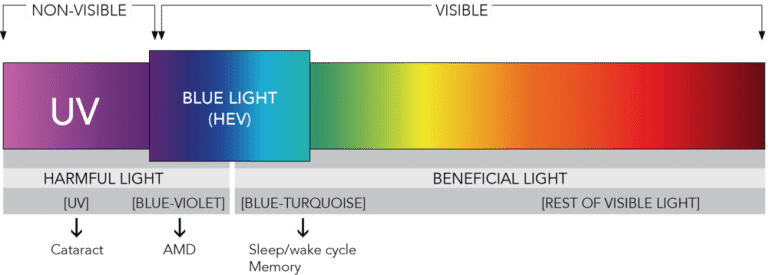
A diagram showing the spectrum of blue light

Light rays that have relatively long wavelengths contain less energy, and those with short wavelengths have more energy.

Blue light rays with the shortest wavelengths (and highest energy) are sometimes called blue-violet or violet light. This is why the invisible electromagnetic rays just beyond the visible light spectrum are called ultraviolet (UV) radiation. Blue light generally is defined as visible light ranging from 380 to 500 nano metres.


BLUE light is EVERYWHERE

UV rays have higher energy than visible light rays, which makes them capable of producing changes in the skin. These rays also can cause sunburned eyes — a condition called photo keratitis or snow blindness.

Sunlight is the main source of blue light. Being outdoors during daylight is where most of us get most of our exposure to it. But there are also many man-made, indoor sources of blue light, including fluorescent and LED lighting and flat-screen televisions.

Most notably, the display screens of computers, iPads, smartphones and other digital devices emit significant amounts of blue light . The amount of blue light these devices emit is only a fraction of that emitted by the sun. But due to the amount of time people spend using these devices and the proximity of these screens to the user’s face have many eye doctors and other health care professionals concerned about possible long-term effects of blue light on eye health.

A woman is laying on a bed using a tablet computer.

The eye is not very good at blocking blue light.

Virtually all visible blue light passes through the cornea and lens and reaches the retina.  Too much exposure to blue light can damage light-sensitive cells in the retina. This causes changes that resemble those of macular degeneration, which can lead to permanent vision loss.

Let’s Block the BLUE

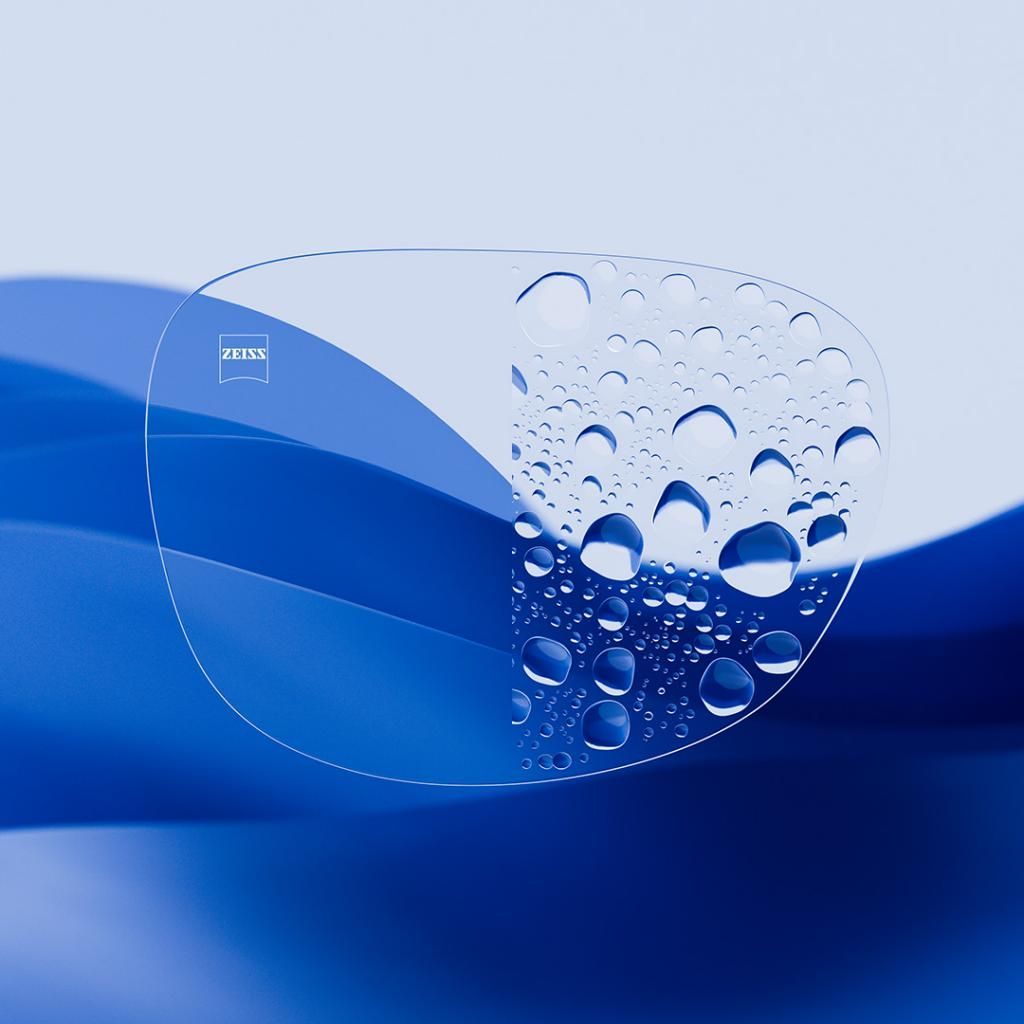
A convenient way to reduce your blue light exposure is to use a blue light filter. A number of lens manufacturers have introduced special glare-reducing anti-reflective coatings that also block blue light from both natural sunlight and digital devices. Our Zeiss line of lenses has a special coating called ‘Blue Protect’ and our Nikon lenses have a coating called ‘See Coat Blue’.

Please come into the office and talk to one of our educated optical staff members or Optometrists to see if either of these lenses could help protect you!

  • Dr. Lindsay Copeland
Man wearing enchroma sunglasses smiling
By Rosendo C March 18, 2026
Experience colour like never before. Book an EnChroma consultation in Calgary to test glasses designed for colour blindness and try them in real life before you buy them.
Close-up of a person's eye and nose, wearing eyeglasses with horizontal lines distorting the view.
By Rosendo C March 17, 2026
Struggling with double vision or eye strain? Discover how prism glasses help align vision and improve everyday comfort.
Comparison of eyeglasses with and without coatings.
By Rosendo C March 11, 2026
Discover the top lens coatings that improve clarity, comfort, and durability. Learn which coatings are worth it for your glasses and lifestyle.
Woman with bob haircut and large blue and purple glasses, furrowing her brow and pursing her lips.
By Rosendo C February 11, 2026
Online glasses may look like a bargain, but poor fit and subpar lenses can lead to discomfort and blurry vision. Here's what to watch out for.
Surgeon holding an intraocular lens with forceps, next to its plastic case, in a sterile setting.
By Tom Wilk February 11, 2026
Explore your intraocular lens (IOL) options after cataract surgery. Learn the pros, cons, and benefits of each type to make the right choice for your vision.
Woman with long dark hair, holding her chin, looking thoughtful, indoors.
By Tom Wilk February 11, 2026
Think you don't need an eye exam if you have perfect vision? Learn why regular eye exams are essential for your overall health and long-term eye comfort.
Woman undergoing eye exam with a slit lamp and an assistant holding a lens.
By Tom Wilk January 28, 2026
Discover how dry eye can impact your cataract surgery results and what you can do to improve healing and clarity before your procedure.
Woman having an eye exam with a slit lamp machine, smiling.
By Tom Wilk January 27, 2026
Think your eyes are fine? Learn why skipping regular eye exams could put your vision and overall health at risk, even without symptoms.
Child receiving eye exam with doctor, mother present. White medical office.
By Tom Wilk January 27, 2026
Discover the main causes of myopia in children and how to protect your child’s vision. Find practical steps you can take to reduce the risk of progression.
Man having an eye exam with an ophthalmoscope, being examined by a doctor.
By Tom Wilk November 27, 2025
Wondering what to ask before cataract surgery? Here are the top 7 questions to ensure you're confident, prepared, and ready for clearer vision.
Show More