A BRIEF SUMMARY OF CATARACTS

September 5, 2018

Within the eye, located just behind the iris, is a flexible structure called the crystalline lens.  Like the lens inside a camera, the crystalline lens works to focus light onto the retina.   A cataract is an opacity, or clouding, of this normally clear structure and is like looking through a dirty window.   Surgery is needed to remove the clouded lens and an artificial lens is inserted to allow the eye to focus clearly again.

There are many types of cataracts but for simplicity we can break them down into two main groups: congenital and acquired.

Visually significant congenital cataracts are rare but do need to be treated promptly to prevent blindness. Children born with congenital cataracts require long term glasses and contact lenses to ensure that their vision develops normally.   Luckily, many more people are born with small lens opacities that do not harm vision and can be left without treatment.

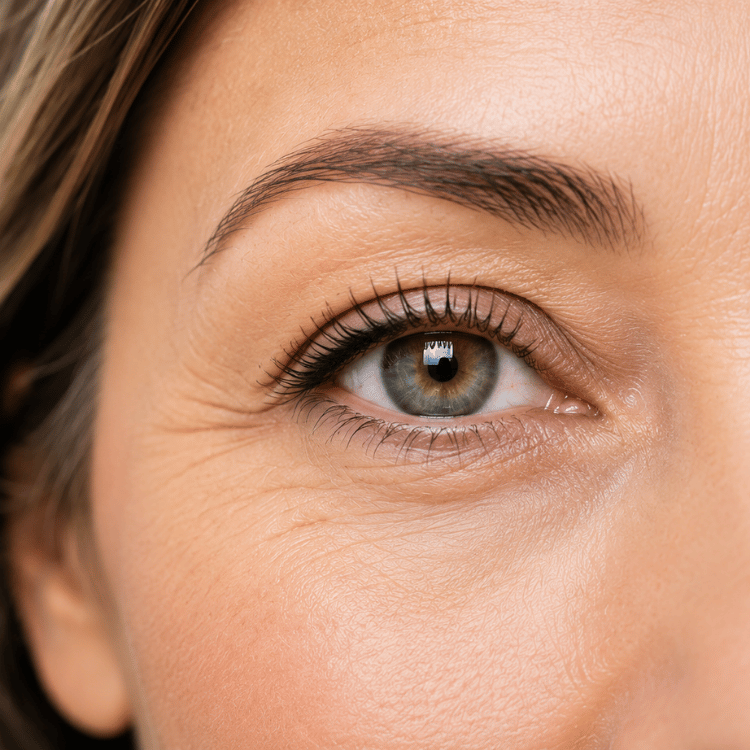
On the other hand, acquired cataracts are an unfortunate part of getting older, just like grey hair and wrinkles.  Because of long term ultraviolet light exposure, the crystalline lens gradually changes color from clear to yellow and then to orange with age.  This is called nuclear sclerosis, and virtually everyone in their fifties and older will have some degree of this yellow-orange color change.  Cortical cataracts, which look like white bicycle spokes throughout the lens, are also commonly developed with age and may be asymptomatic in the early stages. Both nuclear sclerosis and cortical cataracts can cause a shift in the glasses prescription.  Cataract surgery can be delayed until the patient develops symptoms such as glare at night, difficulty discerning details, and blurry vision despite updating their glasses prescription.


However, age is not the only factor in cataract development.  Cataracts develop earlier and progress much quicker in people who smoke, have diabetes, and with use of certain medications such as steroids.  Additionally, ocular injury is another frequent cause of cataracts.  These cataracts are more visually devastating and require surgery more promptly.


Although you cannot prevent ageing, you can help to slow down cataract development by wearing sunglasses or UV blocking contact lenses, taking good care of your general health, and quitting smoking.  And of course, always wear your safety glasses!

-Dr. Lana Filipic

Woman with bob haircut and large blue and purple glasses, furrowing her brow and pursing her lips.
By Rosendo C February 11, 2026
Online glasses may look like a bargain, but poor fit and subpar lenses can lead to discomfort and blurry vision. Here's what to watch out for.
Surgeon holding an intraocular lens with forceps, next to its plastic case, in a sterile setting.
By Tom Wilk February 11, 2026
Explore your intraocular lens (IOL) options after cataract surgery. Learn the pros, cons, and benefits of each type to make the right choice for your vision.
Woman with long dark hair, holding her chin, looking thoughtful, indoors.
By Tom Wilk February 11, 2026
Think you don't need an eye exam if you have perfect vision? Learn why regular eye exams are essential for your overall health and long-term eye comfort.
Woman undergoing eye exam with a slit lamp and an assistant holding a lens.
By Tom Wilk January 28, 2026
Discover how dry eye can impact your cataract surgery results and what you can do to improve healing and clarity before your procedure.
Woman having an eye exam with a slit lamp machine, smiling.
By Tom Wilk January 27, 2026
Think your eyes are fine? Learn why skipping regular eye exams could put your vision and overall health at risk, even without symptoms.
Child receiving eye exam with doctor, mother present. White medical office.
By Tom Wilk January 27, 2026
Discover the main causes of myopia in children and how to protect your child’s vision. Find practical steps you can take to reduce the risk of progression.
Man having an eye exam with an ophthalmoscope, being examined by a doctor.
By Tom Wilk November 27, 2025
Wondering what to ask before cataract surgery? Here are the top 7 questions to ensure you're confident, prepared, and ready for clearer vision.
Woman with  blonde hair and glasses, resting chin on hand, smiling.
By Rosendo C November 26, 2025
Struggling with progressive lenses? Discover practical tips to ease the transition, improve clarity, and avoid common mistakes.
Man with glasses in hand is touching his eyes like he is in pain.
By Rosendo C November 26, 2025
Discover how antifatigue lenses reduce digital eye strain, enhance comfort, and support healthier vision.
Black-framed glasses, one lens clean, one smudged. Icons show cleaning supplies, hairspray, bug spray, and sunscreen.
By Rosendo C October 29, 2025
Discover the everyday chemicals quietly damaging your eyeglass lenses. Learn how to avoid them and keep your vision crystal clear.
Show More