HIGH EYE PRESSURE AND ITS IMPACT ON EYE HEALTH

What causes high eye pressure and how to reduce it
High eye pressure, also known as ocular hypertension, is a condition that can have a detrimental impact on overall eye health. It occurs when there is an imbalance between the production and drainage of fluid inside the eye, leading to increased pressure within. This elevated pressure can damage the optic nerve and eventually cause vision loss if left untreated.
One of the most common consequences of high eye pressure is an eye disease called glaucoma, a group of eye diseases that damage the optic nerve and can result in irreversible vision loss. Glaucoma is often referred to as the ‘silent thief of sight’; because it typically does not cause any symptoms until it has already caused significant damage to the optic nerve. Glaucoma typically causes a gradual loss in peripheral vision as the optic nerve damage progresses. It may lead to complete vision loss if not promptly diagnosed and treated.
Medications that cause high eye pressure
Steroid medications, as well as some that treat asthma, depression, and allergies, carry a risk of elevating eye pressure and possibly leading to glaucoma. There are several different types of glaucoma, and not all medications are contra-indicated for those at risk. Here is a list of common medications that may increase the risk of high eye pressure:
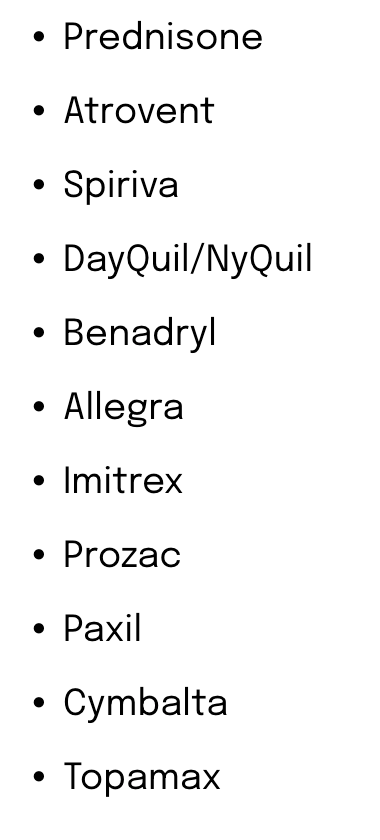
Remember to consult with your MVO Doctor of Optometry for advice about any medications you are taking and their possible connection to increased eye pressure.
Symptoms and risk factors associated with high eye pressure
Most of the time, those affected by high eye pressure will not even be aware of it. There are seldom any symptoms of chronically elevated eye pressure. If the pressure remains untreated for several months or years, and glaucoma develops, there could be a gradual loss of peripheral vision and eventual blindness.
Some of the risk factors associated with high eye pressure include:
- Age,
- Ethnicity,
- Family history of glaucoma,
- Physical injuries to the eye, and
- Certain medical conditions
High eye pressure does not always lead to glaucoma. "Normal" eye pressure varies from person to person. Specific testing and follow up performed by an optometrist will determine whether an individual is at risk for permanent vision damage due to high eye pressure.
A specific type of glaucoma called “acute angle closure glaucoma” will frequently cause pain, nausea, and blurred vision – this type of glaucoma is a medical emergency and requires immediate treatment to avoid permanent vision loss. However, acute angle-closure is much less commonly seen than other types of glaucoma.
Conditions associated with high eye pressure and glaucoma
Diseases such as diabetes, hypertension, and types of arthritis are associated with an increased risk of high eye pressure and glaucoma. Elevated eye pressure leading to glaucoma is also seen more frequently in some individuals with specific eye shapes or structures that can only be detected during an eye health examination. Increasing age is also a risk factor for high eye pressure and glaucoma.
Diagnosing and managing high eye pressure
It’s important to have regular eye exams to monitor your eye pressure and detect any signs of high eye pressure or glaucoma early on. Optometrists measure eye pressure using a simple, painless test called tonometry (at MVO, we no longer use the “air puff” test – click here to learn more).
Additional testing is important to determine whether high eye pressure may place one at risk for developing glaucoma. These tests include:
Ways to lower eye pressure include eye drops, laser therapy, or surgery to lower the pressure and prevent further damage to the optic nerve.
Tips for maintaining good eye health and preventing high eye pressure
While little is currently known about lifestyle or dietary modifications to reduce the risk of high eye pressure, it’s a good idea to maintain a balanced diet, get regular exercise, and wear UV protection in the form of sunglasses when outdoors.
The importance of regular eye exams for detecting high eye pressure
Overall, high eye pressure is a serious condition that can have a significant impact on overall eye health. Interestingly, high eye pressure is not required to be diagnosed with glaucoma – therefore, a simple eye pressure test is not enough to rule out this common eye disease. By having regular eye exams and following the advice of your MVO optometrist, you can protect your eyes and reduce the risk of vision loss due to high eye pressure and other forms of eye disease. Remember, early detection and treatment are key in preserving your eye health for years to come.
Schedule your regular eye check-ups today at one of our eye clinics in Calgary or Cochrane.