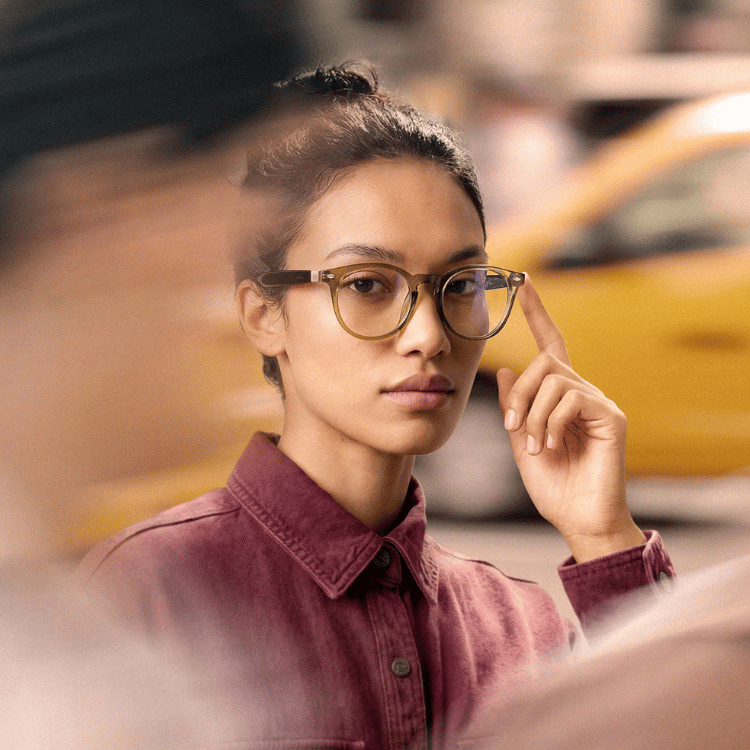
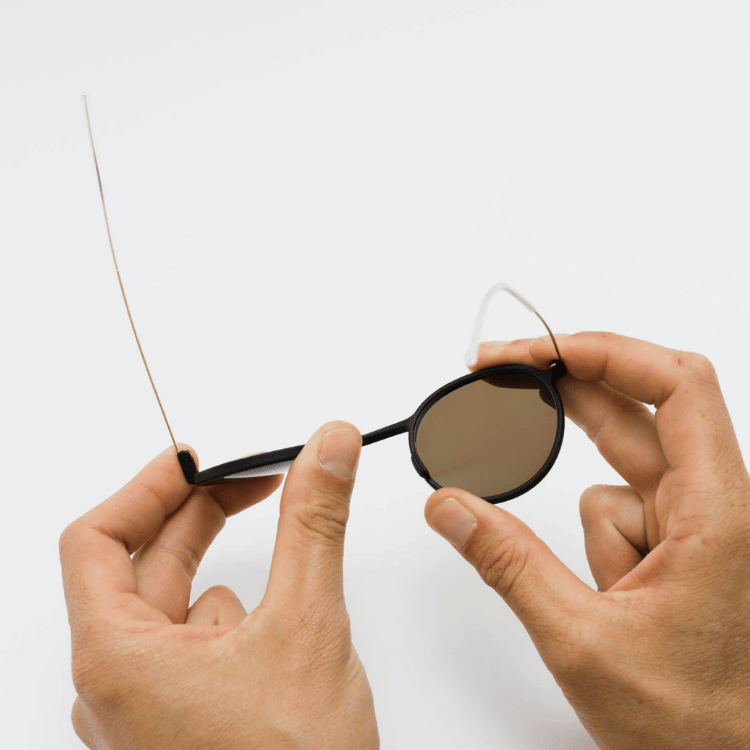
The Real Reasons Your Glasses Are Always Crooked
If your glasses are constantly tilting, slipping, or just don’t look right, you’re not alone. Crooked glasses are a common frustration for eyeglass wearers, but the good news is, most of the time, they're easily fixed. At Mountain View Optometry, we help people every day with glasses that just won’t sit right.
Why Do Glasses Get Crooked?

1. Poor Fit Right from the Start
If your glasses weren’t custom-fitted when you got them, they might not match the shape of your face. Off-the-shelf or online frames can often lead to a poor fit, especially if not adjusted professionally.
2. Everyday Wear and Tear
Glasses can easily get bent or twisted from everyday use: dropping them, sitting on them, or storing them loosely in a bag. Even putting them on with one hand repeatedly can warp the arms over time.
3. Natural Facial Asymmetry
It’s more common than you think: most people have ears at slightly different heights or facial features that aren’t perfectly symmetrical. Glasses are designed to be even, so this natural imbalance can make them look crooked.
4. Loose Screws or Nose Pads
Over time, screws can loosen, and nose pads can shift, especially in metal frames. This can lead to one lens sitting higher or closer than the other.
5. Using the wrong case to store them
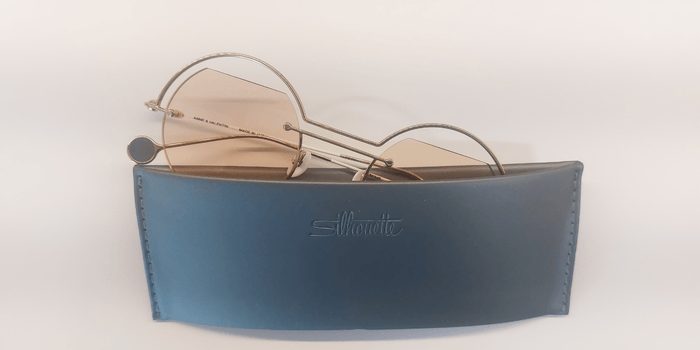
Using the wrong case to store your glasses can easily cause them to become crooked over time. Glasses are carefully designed to maintain proper alignment, but when stored in a soft, oversized, or undersized case, the frames can shift, bend, or get compressed.
When to Visit Mountain View Optometry
Sometimes, crooked glasses are a sign of deeper issues or require precision tools to fix. You should book a visit if:
-The misalignment is affecting your vision, or is uncomfortable to wear.
-Your frames are cracked, warped, or bent considerably.
-You want a long-term solution that fits your unique facial features.
Located in Cochrane & Calgary, our team at Mountain View Optometry offers complimentary frame adjustments, even if you didn’t purchase your glasses from us.
Tips to Prevent Crooked Glasses
-Always use both hands to take them off or put them on.
-Store them in the proper case when not in use.
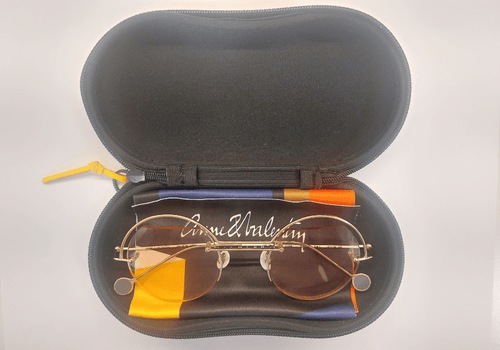
-Premium materials such as
titanium and
acetate (a type of higher quality plastic) are more resistant to deformation.
-Avoid high heat (like leaving them in a hot car).
-Avoid wearing your glasses on top of your head.
Frequently Asked Questions
Why do my glasses always look crooked?
Most likely due to facial asymmetry or a poorly adjusted frame. We can evaluate your fit in-office.
Can crooked glasses cause vision problems?
Yes. When lenses aren’t properly aligned, this may lead to headaches, fatigue, or blurry vision.
Do you charge for frame adjustments?
Nope! We offer
free adjustments at both of our Mountain View Optometry locations.
Can you help with kids' glasses that keep going crooked?
Absolutely. We specialize in fitting and adjusting children's eyewear for comfort and durability.
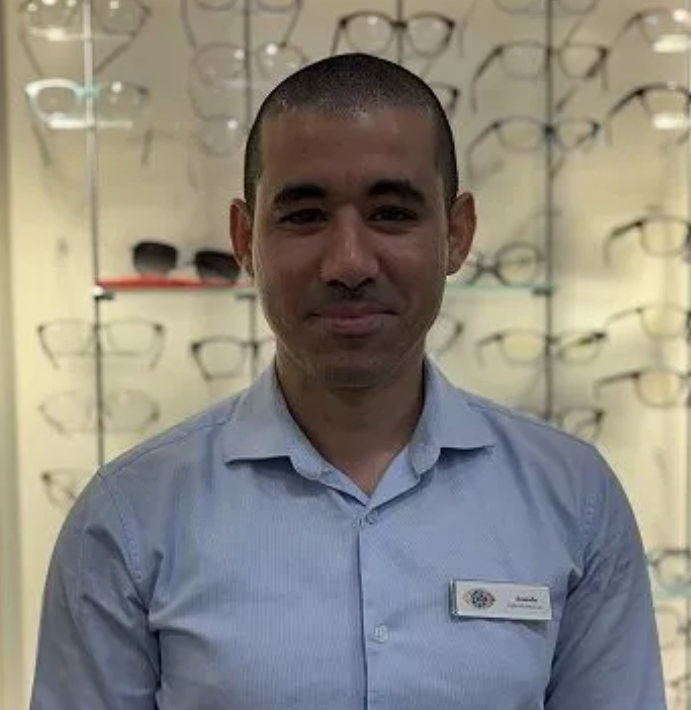
Written by Rosendo
About the Author:
Rosendo was born and raised in Havana, Cuba, where he began his professional journey studying Optometry and Optics. His career then took him to Dubai, where he worked in the optical field for two years as a Sales Associate. Now, he’s settled in Calgary and takes great pride in being a valued member of our Mountain View Optometry team as an Optical Associate.