How Z1 Lenses Help Control Photosensitive Epilepsy
A Safe, Non-Drug Option for Managing Light-Induced Seizures
For people with certain types of epilepsy, everyday light sources -like flashing screens or strobe lights- can trigger seizures. While medications are the standard treatment, they don’t always work and often come with unwanted side effects. That's where Z1 lenses come in.
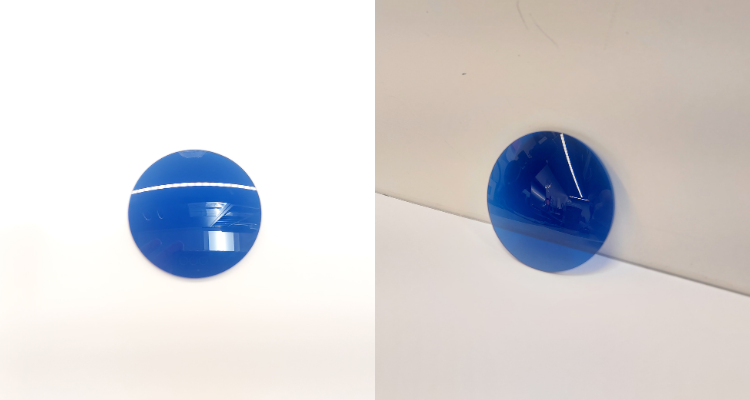
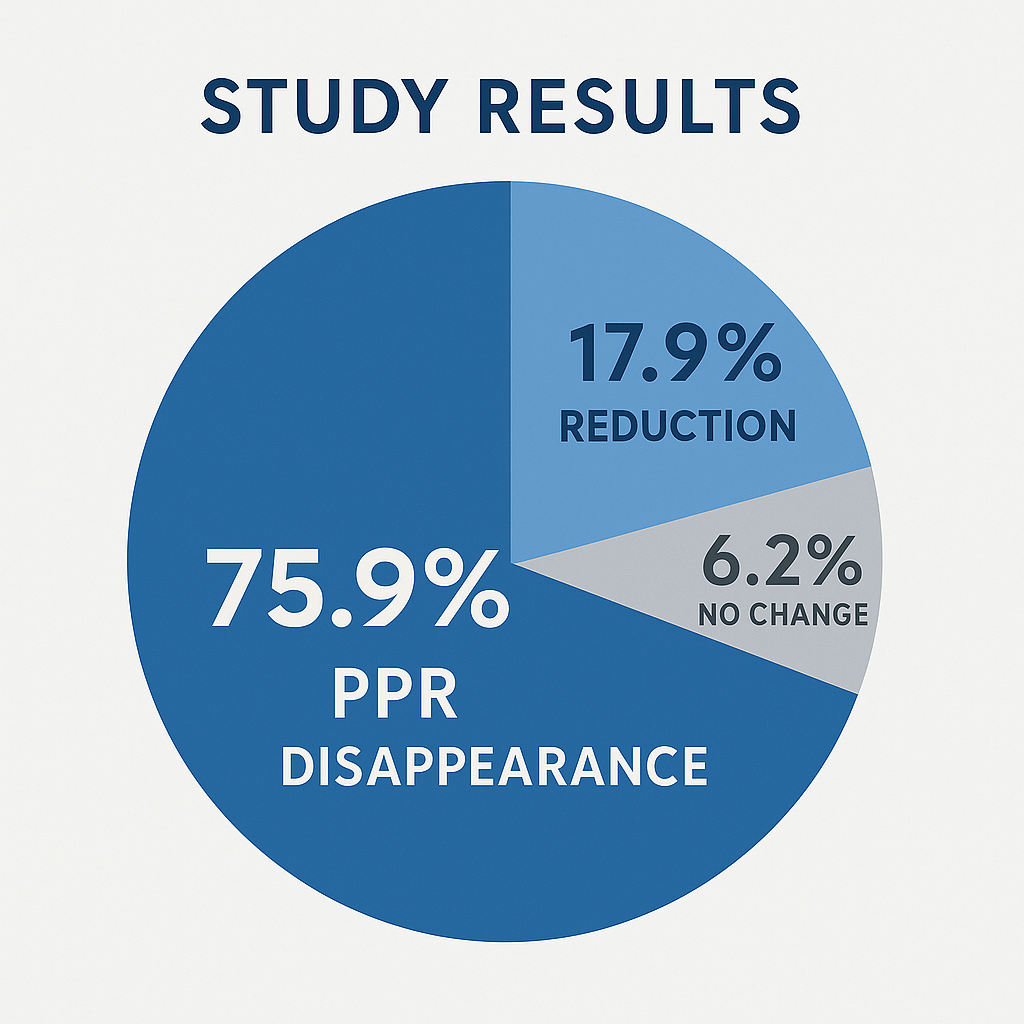
Z1 lenses are specially designed blue glasses that have been shown to reduce or even eliminate light-induced seizures in many epilepsy patients. In one study involving 610 patients, over 93% had complete or significantly fewer light-triggered seizures when wearing Z1 lenses.
What Makes Z1 Lenses Different?
Z1 lenses are made from ultraviolet-filtering material that cuts out about 80% of brightness and specifically blocks the type of light most likely to trigger seizures in photosensitive individuals. The lenses were developed and tested over multiple clinical trials and are now commercially available in Canada.
Unlike general blue sunglasses or off-the-shelf optical filters, Z1 lenses were clinically shown to outperform other lens types in suppressing seizure activity. They were also effective regardless of age, gender, or whether patients were on medication.
Key Benefits of Z1 Lenses
1. Drug-Free Seizure Control
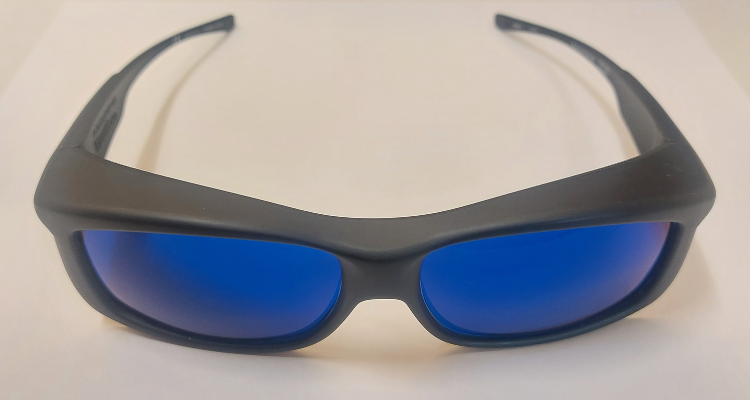
Z1 lenses offer a drug-free alternative for those with seizures, especially those who experience side effects from antiepileptic drugs. For some, they can even replace medication entirely, reducing both health risks and ongoing costs.
2. Daily Confidence and Peace of Mind
Brightly lit environments can create anxiety for those who worry about seizures. Z1 lenses can provide peace of mind and a greater sense of confidence for these individuals.
3. Better Quality of Life
From classrooms and offices to screens and city lights, modern life is filled with visual stimuli. Z1 lenses help people engage more fully in these environments without constant fear of seizure onset.
4. Effective Across All Ages and Types
The study showed Z1 lenses worked well even in children and those with difficult-to-treat forms of epilepsy. Whether used alone or alongside medications, they consistently improved outcomes.
FAQ: Z1 Lenses and Photosensitive Epilepsy
Are Z1 lenses a replacement for epilepsy medication?
In some cases, yes, especially for patients whose seizures are purely light-triggered. Others may use them alongside medication for added protection.
Do they work for all types of epilepsy?
They are most effective for photosensitive epilepsy and specifically for type 4 photoparoxysmal responses.
Can Z1 lenses be added to prescription glasses?
Yes. Z1 lenses can be fitted into most standard eyeglass frames and are compatible with the majority of vision prescriptions.
Can children wear Z1 lenses?
Yes. In fact, 65% of patients in the study were under 14, and they responded very well to the lenses.
Do Z1 lenses affect vision?
They may reduce visibility in very dark environments, but patients can remove them temporarily when needed.
See the Difference Z1 Lenses Can Make
If you or your child struggles with photosensitive epilepsy, Z1 lenses could be a life-changing solution. They’re safe, drug-free, and clinically proven to reduce seizure risk from light exposure.
Book an eye exam with us today to find out if Z1 lenses are right for you.
Reference: Download scientific paper
Epilepsia, 47(3):529–533, 2006
Blackwell Publishing, Inc.
C 2006 International League Against Epilepsy
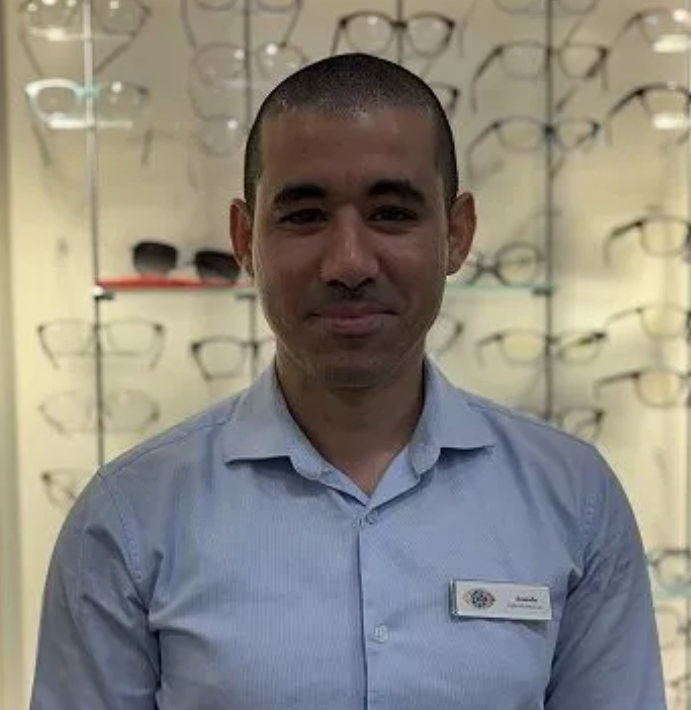
Written by Rosendo
About the Author:
Rosendo was born and raised in Havana, Cuba, where he began his professional journey studying Optometry and Optics. His career then took him to Dubai, where he worked in the optical field for two years as a Sales Associate. Now, he’s settled in Calgary and takes great pride in being a valued member of our Mountain View Optometry team as an Optical Associate.