About 2.5 million Canadians have cataracts (a clouding of the lens of the eye) and this number is expected to double in the next 15-20 years. According to a new study* done by the University of Oxford in England, researchers found that vegetarians and vegans are 30% to 40% less likely to develop cataracts than people who eat a lot of meat. Researchers studied data on more than 27,000 people, all over age 40. The study’s participants filled out dietary surveys between 1993 and 1999. By 2009, approximately 1,500 had developed cataracts. The participants were divided into groups according to the amount of meat they ate each day:
VEGETARIANS LESS LIKELY TO GET CATARACTS
June 23, 2014

- Highest meat consumption: 100 grams or more
- Mid-range: 48 to 99 grams
- Low-range: less than 48 grams
- Fish eaters: those who ate fish but not meat
- Vegetarians: those who didn’t eat meat or fish but did eat dairy products and/or eggs
- Vegans: those who didn’t eat meat, fish, dairy products or eggs
Compared with those who ate the most meat, the risks for developing cataracts were lower for all other groups. Mid-range meat eaters had a decreased cataract risk of 4%, low-range 15%, fish eaters 21%, vegetarians 30% and vegans 40%. Researchers found that the progressive decrease in cataract risk was seen for both men and women.
Other risks for cataract development include smoking, diabetes and exposure to bright light.
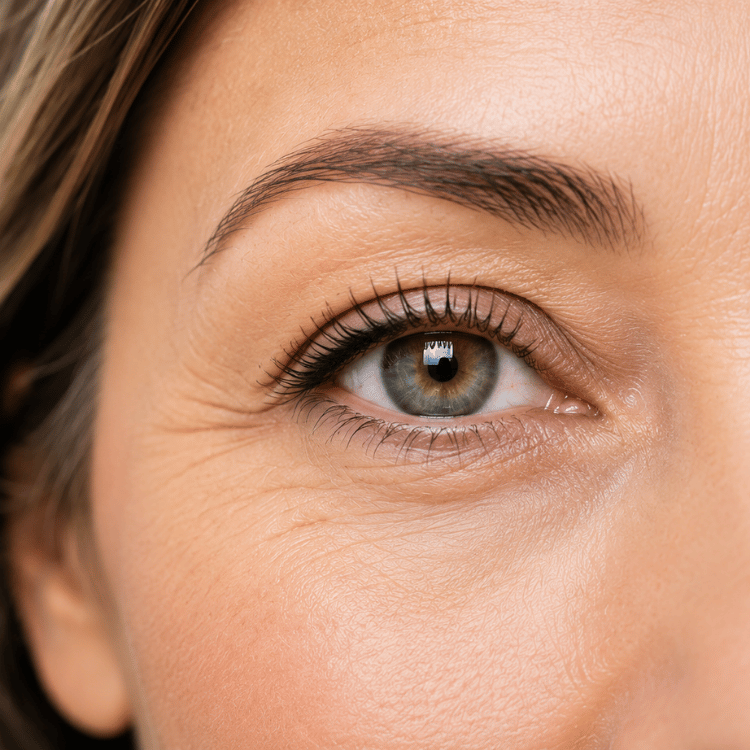
Discover how Lumenis TRILIFT™ supports better blinking, dry eye comfort, and a refreshed appearance at Mountain View Optometry.

Learn which myopia control treatment may be right for your child, from specialty contact lenses and Ortho-K to atropine eye drops.
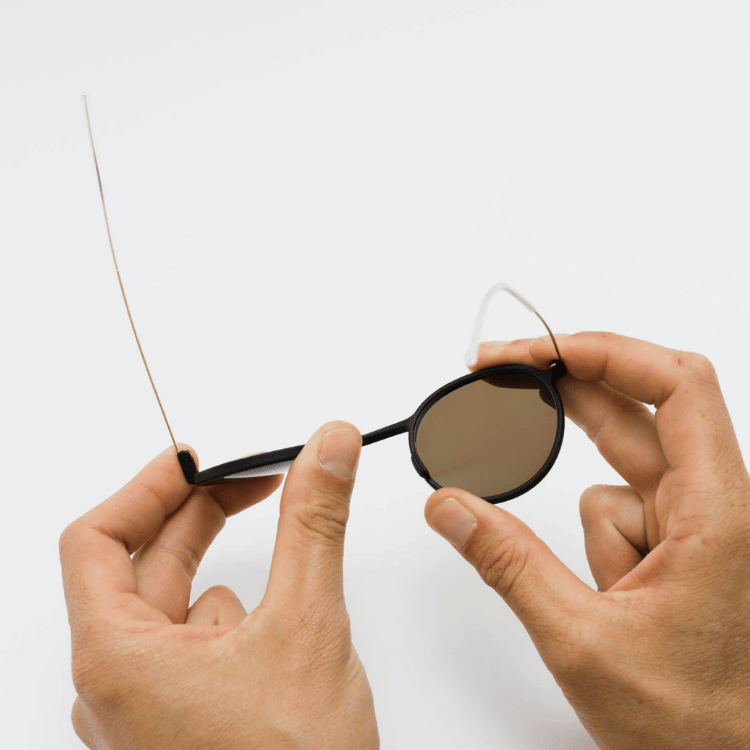
Meet annu, our newest eyewear collection, featuring lightweight comfort, modern shapes, and German design.
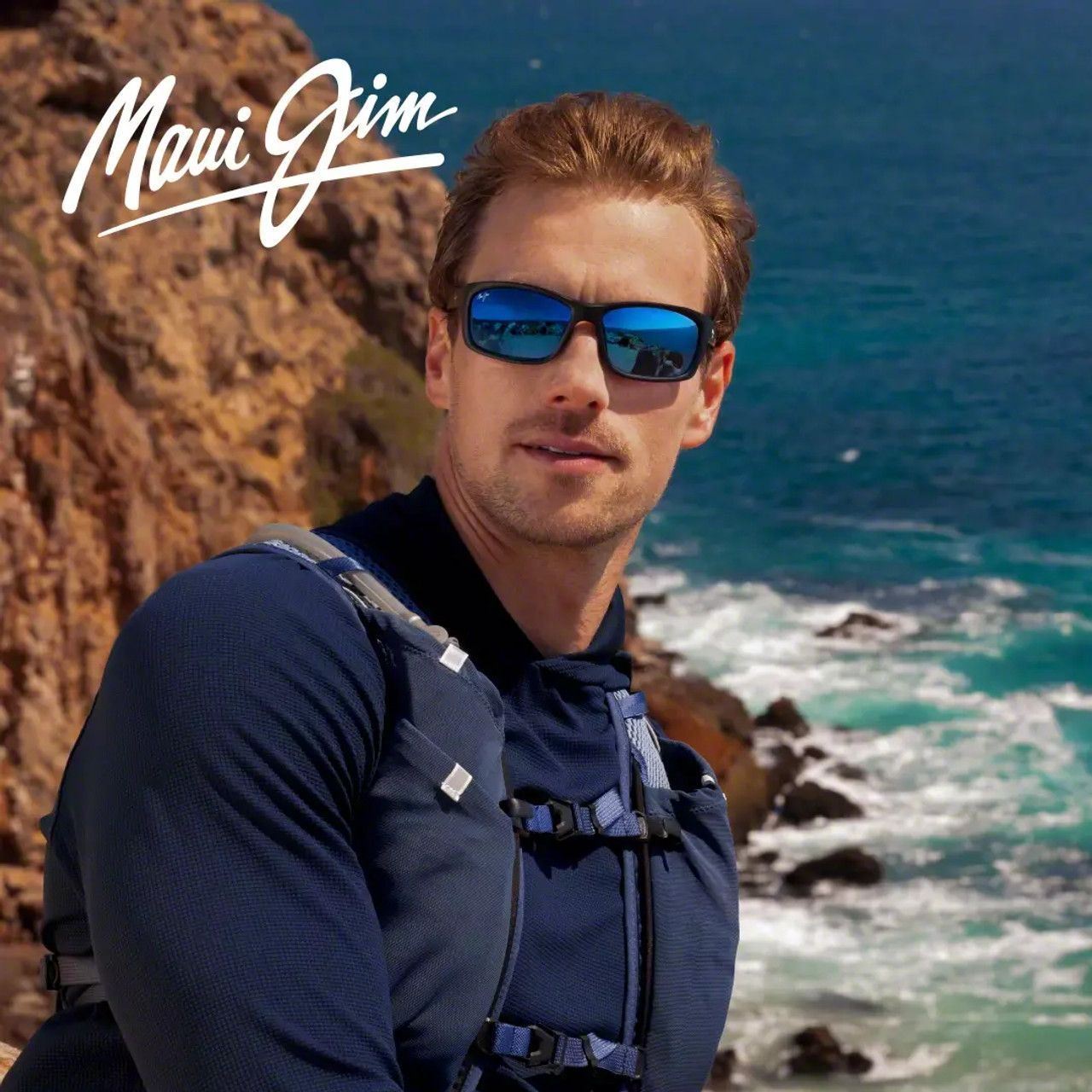
Explore Maui Jim Sunglasses for Spring-Summer 2026, featuring vibrant style, exceptional clarity, and all-day comfort for brighter days ahead.
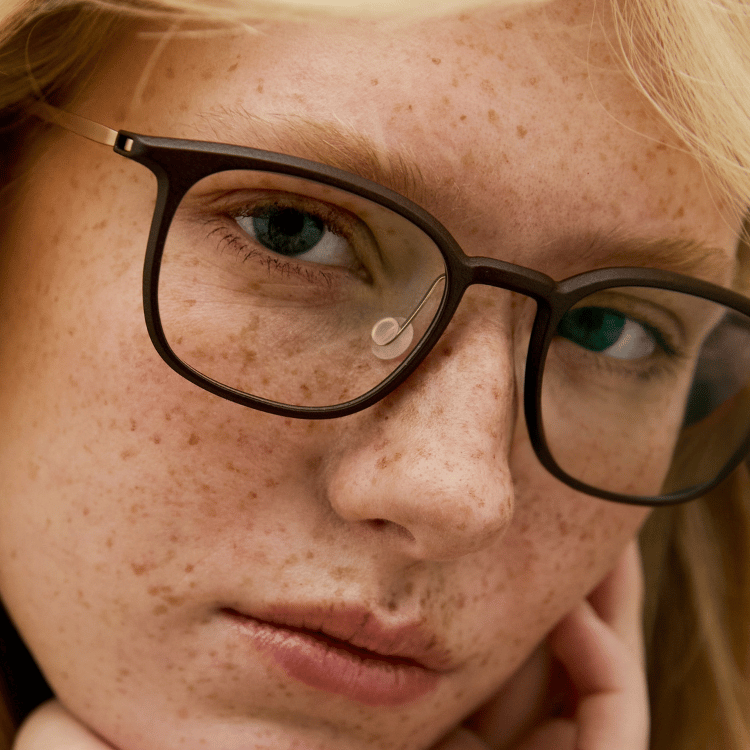
Twenty-six rolls of film capture the anticipation of 2026, reflecting the instinct, intensity, and creative vision of an independent brand.

Learn why buying eye drops online can be risky, from contamination and counterfeit products to poor storage, plus when to seek urgent eye care.
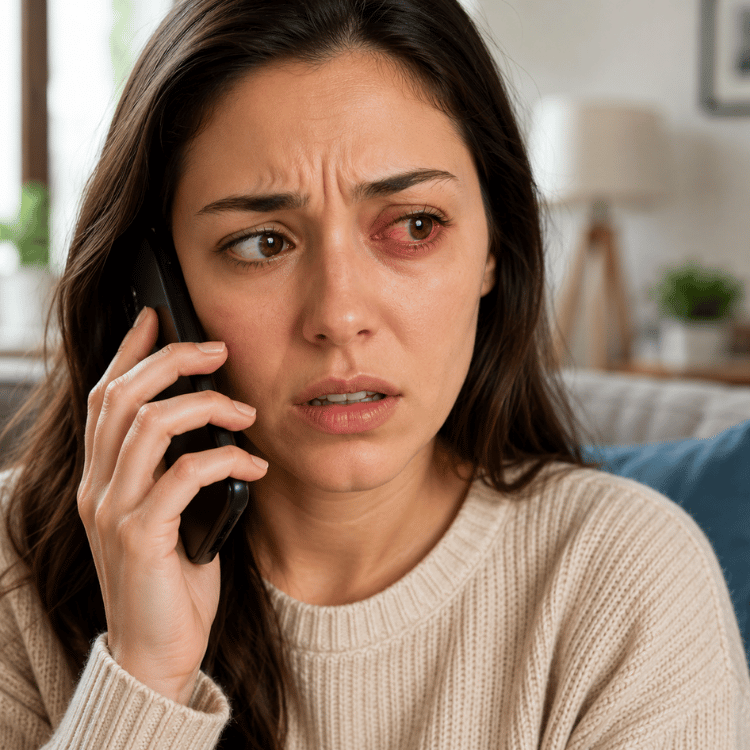
Eye emergency? Get fast, same-day care at Mountain View Optometry. Learn symptoms, what to do, and how to protect your vision.
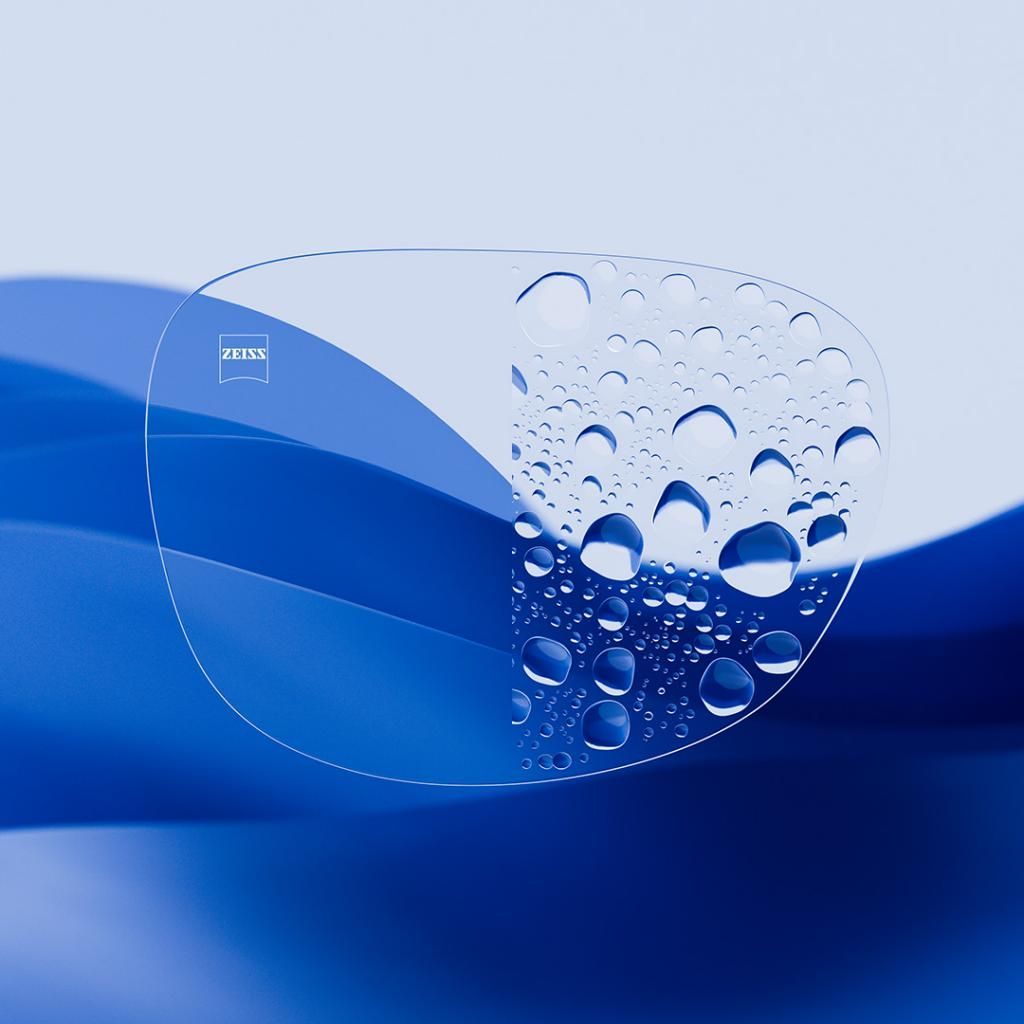
ZEISS CleanGuard is a new lens coating technology designed to make glasses easier to clean and more resistant to fingerprints, dust, and water.

Discover how Meta AI Glasses help people with low vision read text, identify surroundings, and navigate daily life with greater independence.

Learn about tattoo-associated uveitis, a rare eye inflammation linked to tattoo ink reactions, and the symptoms that should prompt an eye exam.