VISION LOSS FOUND TO BE A RISK FACTOR FOR DEMENTIA
Vision loss is a significant health concern that can have far-reaching impacts on a person's overall well-being. In addition to affecting one's ability to see clearly,
vision loss has been identified as a risk factor for other health conditions, including dementia. In this newsletter article, we will explore the connection between vision loss and dementia, and discuss how prioritizing eye health can help reduce the risk of cognitive decline.
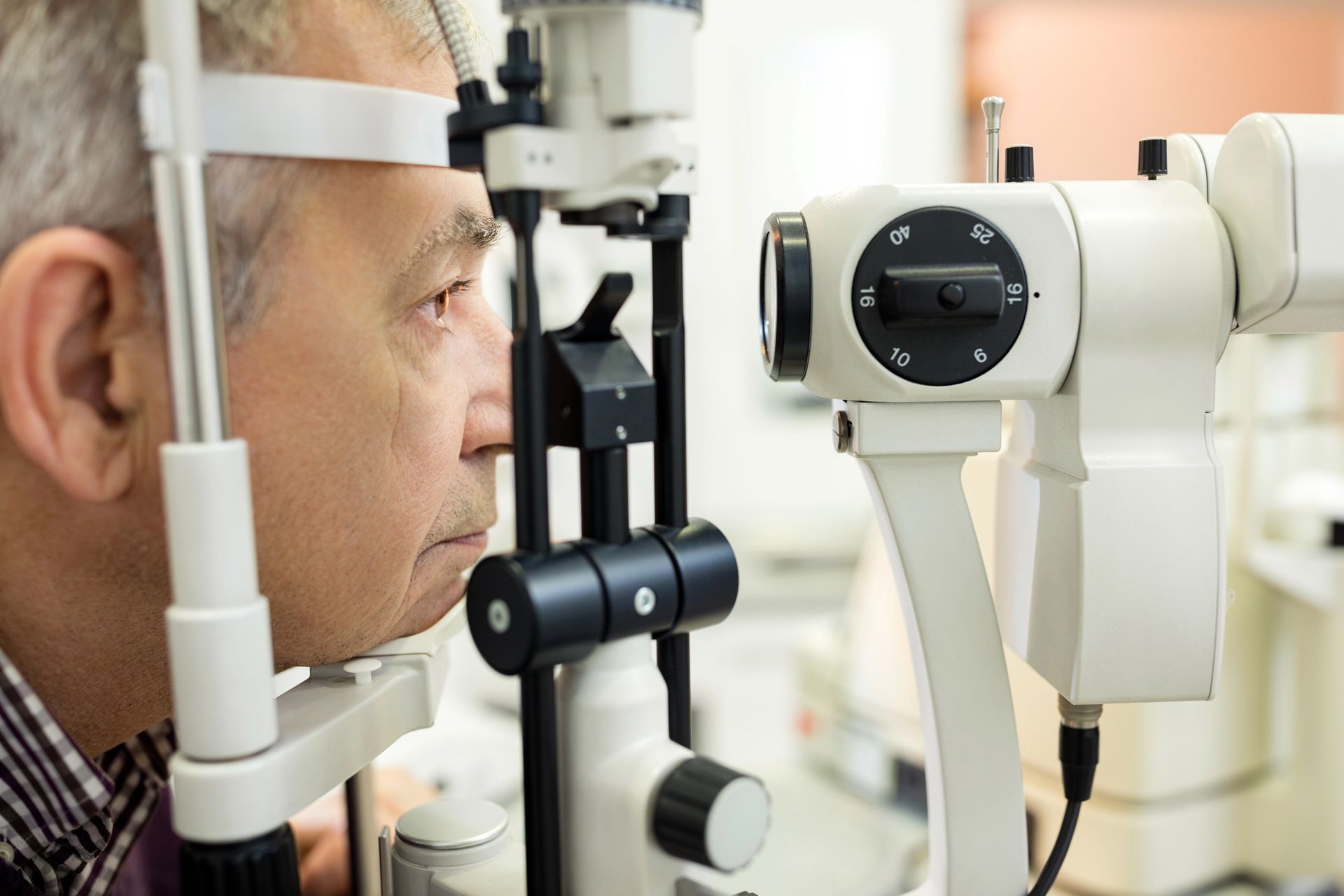
Studies have shown that individuals with vision loss are at a higher risk of developing dementia compared to those with normal vision. The exact reason for this connection is not fully understood, but researchers believe that the relationship between the eyes and the brain plays a critical role. The visual system is closely linked to cognitive function, and changes in vision may impact brain health and increase the risk of cognitive decline.
Vision loss can also have a negative impact on a person's quality of life, leading to social isolation, depression, and a decline in cognitive activities. Reduced visual input can affect the brain's ability to process information and can ultimately contribute to the development of dementia. Additionally, vision impairment may limit a person's ability to engage in activities that promote brain health, such as reading, socializing, and physical exercise.
Fortunately, there are steps that can be taken to mitigate the risks associated with vision loss and dementia. Regular eye exams are essential for early detection and treatment of vision problems that could potentially lead to cognitive decline. Managing conditions such as glaucoma, macular degeneration, and diabetic retinopathy can help preserve vision and reduce the risk of associated cognitive complications.
In addition to eye care, maintaining a healthy lifestyle is crucial for overall brain health and cognitive function. Eating a balanced diet, staying physically active, engaging in mental stimulation activities, and getting an adequate amount of sleep are all important factors in reducing the risk of dementia. By prioritizing eye health and overall well-being, individuals can take proactive steps to protect their vision and cognitive function as they age.
It is clear that vision loss is more than just a physical issue – it is a risk factor for dementia and other cognitive disorders. By staying vigilant about eye health, seeking timely treatment for vision problems, and adopting a healthy lifestyle, individuals can help reduce the risk of dementia and maintain optimal brain function as they age. Remember, your eyesight is not just about seeing clearly – it is also a key component of your brain health and overall well-being.
Reference:
https://www.cbc.ca/news/health/dementia-visionloss-1.7280184