Dry Eye and Cataract Surgery: What to Know Before Your Procedure
Cataract surgery is one of the most common and successful vision procedures performed today. But did you know that dry eye can impact your results if left untreated? You may be surprised to learn that dry eye disease could interfere with cataract surgery planning and recovery – even if your eyes don’t bother you!
In this article, we’ll explain why managing dry eye before cataract surgery is so important, what signs to look for, and how we can help you prepare for the clearest vision possible.
What Is Dry Eye?

Dry eye occurs when there is a loss of stability of the thin film of tears that coats the front of your eyes. This may be due to faster than normal evaporation of tears, not enough tear volume, and many other factors. This can cause symptoms like burning, stinging, blurry vision, and a gritty or tired sensation in the eyes. Often, dry eye disease progresses with little warning, causing few or minimal symptoms.
How Dry Eye Can Impact Cataract Surgery
When dry eye is untreated before cataract surgery, it can:
- Lead to inaccurate pre-surgical measurements, which may cause poor vision after the cataracts are removed
- Cause inflammation or discomfort that may persist after surgery
- Delay recovery and reduce post-surgical satisfaction
- Worsen symptoms after surgery if the condition is ignored
In short, treating dry eye beforehand puts you in the best position for a successful surgical outcome.
Signs You May Have Dry Eye Before Surgery
Many people with dry eye don’t realize they have it. Symptoms can include:
- Dryness, itching, or burning
- Red or watery eyes
- Vision that changes throughout the day
- Feeling like something is in your eye
- Discomfort after screen time or in dry environments
If you’re preparing for cataract surgery and notice any of these symptoms, it’s important to bring them up during your eye exam.
Treating Dry Eye Before Cataract Surgery
In-Clinic Options
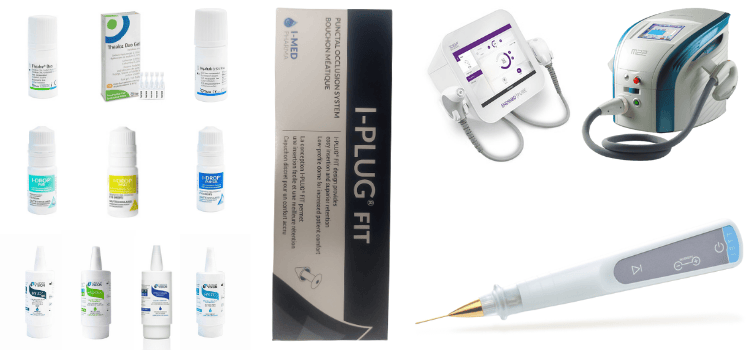
- Prescription eye drops: Help reduce inflammation and improve tear production
- Punctal plugs: Small devices placed in the tear ducts to retain moisture
- In-office treatments (like IPL, RF, Jett Plasma Pen or ZEST): Target the root causes of dry eye
At-Home Care

- Use artificial tears regularly
- Apply heating mask to support oil gland function
- Take omega-3 supplements to reduce inflammation and improve oil quality
- Reduce screen time and stay hydrated
- Cleanse eyelids and lash areas regularly
Depending on the type of dry eye disease and contributing factors, the specific treatment will vary from patient to patient. Ensure you consult with your MVO Optometrist to get the right diagnosis and a tailored treatment plan designed to optimize your success following surgery.
Treating dry eye before surgery isn’t just about comfort. It leads to more accurate surgical planning, a smoother healing process, and the best chance of clear, crisp vision afterward.
When Should You Start Treating Dry Eye?
As soon as possible! Ideally, dry eye should be diagnosed and managed several weeks or months before your cataract consultation. This gives your eyes time to respond to treatment and stabilize.
The earlier you start, the better your chances for a successful outcome.
Why Your Optometrist Plays a Key Role
Your optometrist is your first line of defense when it comes to spotting and managing dry eye. During your routine eye exam, they can identify signs of dryness, recommend the right treatments, and work closely with your cataract surgeon to optimize your care.
In Calgary and Cochrane, Mountain View Optometry provides comprehensive dry eye assessments and pre-surgical consultations to help you get surgery-ready with confidence.
What to Expect During Your Cataract Surgery Journey
Before Surgery
- Comprehensive eye exam and dry eye assessment
- Pre-op instructions and a customized treatment plan
After Surgery
- Continued dry eye care as needed
- Follow-up visits to monitor healing and vision
Don’t let dry eyes compromise the results of your cataract surgery. At Mountain View Optometry, we help you recognize the signs early and treat dry eye effectively, so your eyes are healthy and ready for the best possible outcome. With the right care before your procedure, you’ll be setting yourself up for a smoother recovery and clearer vision ahead.
FAQ
Can dry eye delay my cataract surgery?
Yes, the presence of dry eye disease is well recognized as a factor that may affect the success of cataract surgery.
Will cataract surgery cure dry eye?
No, and sometimes it can make the problem worse if dry eye isn’t properly addressed before surgery.
How do I know if I have dry eye before surgery?
Book an eye exam with us to check for dry eye and get personalized recommendations. You can’t always rely on symptoms to know if something is wrong.

Written by Dr. Tom Wilk
About the Author:
Dr. Tom Wilk sees patients at his Cochrane location primarily. He developed the “Patient First” approach now adopted by all Doctors and staff at Mountain View Optometry. He obtained his Doctor of Optometry (OD) from the Michigan College of Optometry in 1994, and his B.Sc. from the University of Waterloo. A native of Toronto, Ontario, he came to Alberta in 1998, attracted by the opportunity to start an optometry practice in the only province that allowed ODs to practice within the full scope of their training.