Out of Sight, Out of Mind? Here’s Why You Shouldn’t Skip Another Eye Exam
If your vision seems fine and you’re not noticing any problems, it might be tempting to put off booking your yearly eye exam. But many eye and health conditions develop quietly, without pain or obvious symptoms. A comprehensive eye exam does more than check your glasses prescription, it can detect serious issues early, often before you notice any changes at all.
5 Reasons You Shouldn’t Skip Your Next Eye Exam
1-Hidden Conditions Often Start Without Warning

Some of the most common (and serious) eye conditions are silent in the early stages:
- Glaucoma: Known as the “silent thief of sight” can cause damage to the delicate tissues inside the eye, resulting in slow, progressive and irreversible vision loss that is not noticeable until later stages of the disease.
- Macular degeneration: Starts subtly, with small changes to the thin layers underneath the retina. These layers are screened for signs of macular degeneration during every comprehensive eye exam. Later on, the disease can progress, often affecting your ability to read, drive safely or recognize faces.
- Diabetic retinopathy: Early damage from diabetes may only show up during an eye exam with specialized testing. Serious eye disease from diabetes may have no effect at all on your eyesight at early stages.
- High blood pressure and cholesterol: Often telltale signs picked up during an eye exam are the earliest indicators of these conditions which may have serious consequences if left untreated.
2-An Eye Exam is an Opportunity for a Health Screening

Your optometrist isn’t just checking your vision, they’re checking your health. That includes:
- Eye pressure
- Retina and Optic Nerve health
- Corneal health, eyelids, iris, and conjunctival health
- Blood vessel analysis for evidence of vascular disease
- Eye Muscle coordination, Focusing and Teaming
- Neurologic health
Early detection means earlier treatment, better outcomes, and fewer complications.
3-Technology Has Changed, Eye Exams Are More Comfortable Than Ever

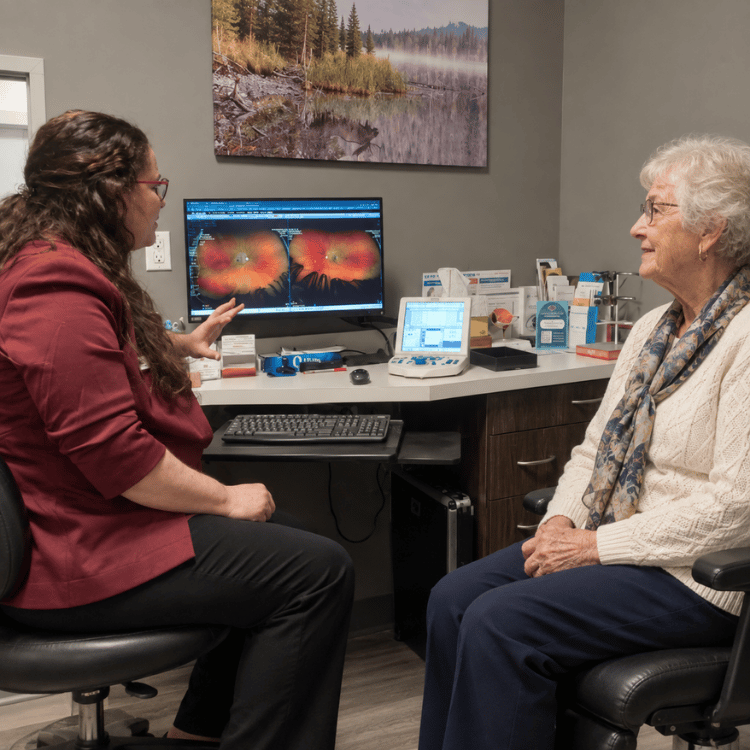
If your last eye exam was years ago, you might remember air puff tests or lengthy, cumbersome testing procedures. But at MVO we make use of up-to-date technology to ensure your eye exam is faster, more comfortable, and more accurate than ever:
- Digital retinal imaging is more sophisticated and comprehensive, and reduces the need for dilation in many cases
- Eye pressure testing is quick and much more comfortable than the old “air puff test”
- Advanced visual field tests detect early blind spots before they impact daily life
- Electronic vision testers help your eye doctor test for your glasses prescription quicker and more accurately than before
4-You May Not Notice Vision Changes Right Away
Vision can change so gradually that your brain adapts before you realize it. You might be:
- Straining to read or focus
- Getting more frequent headaches
- Avoiding night driving
These early symptoms often go ignored until a proper exam reveals the cause.
5-It’s Not Just About Glasses
Even if you don’t wear glasses, eye exams matter. We check:
- Depth perception
- Eye alignment
- Focus issues
- Digital eye strain
Your eyes do more than help you see clearly, they affect your balance, comfort, and even your energy levels throughout the day.
Don’t Wait for Symptoms Before Booking Your Eye Exam
Your eyes won’t always tell you when something’s wrong. Regular exams protect your vision and your overall health. Whether it’s been two years or twenty, now is the right time to take care of your eyes.
Book your comprehensive eye exam it might be the best decision you make today!
FAQ:
How often should I get a comprehensive eye exam?
Adults should get an eye exam every 1 to 2 years, depending on age, risk factors, and existing conditions. After 40, annual exams are usually recommended. Children should have their first exam between 6 and 12 months of age, then annually thereafter.
Can an eye exam detect other health issues?
Yes. Optometrists can catch early signs of diabetes, high blood pressure, high cholesterol, neurological conditions, autoimmune disease and more.
Is it safe to have an eye exam during pregnancy?
Yes. Hormonal changes during pregnancy can affect vision, and it’s important to ensure the eyes remain healthy. Vision changes should be investigated as soon as they are noticed – issues like gestational diabetes may cause permanent damage to the eyes.

Written by Dr. Tom Wilk
About the Author:
Dr. Tom Wilk sees patients at his Cochrane location primarily. He developed the “Patient First” approach now adopted by all Doctors and staff at Mountain View Optometry. He obtained his Doctor of Optometry (OD) from the Michigan College of Optometry in 1994, and his B.Sc. from the University of Waterloo. A native of Toronto, Ontario, he came to Alberta in 1998, attracted by the opportunity to start an optometry practice in the only province that allowed ODs to practice within the full scope of their training.