Can Snow Glare Damage Your Eyes? Why Winter UV Protection Matters
Sunlight during winter in Calgary can be surprisingly intense. When sunlight reflects off snow, it creates massive glare and can increase the amount of UV radiation reaching your eyes.
The result can be more than simple discomfort. Too much UV exposure may irritate the surface of the eye and, in more severe cases, cause photokeratitis, commonly referred to as “snow blindness”.
How Snow Glare Affects Your Eyes
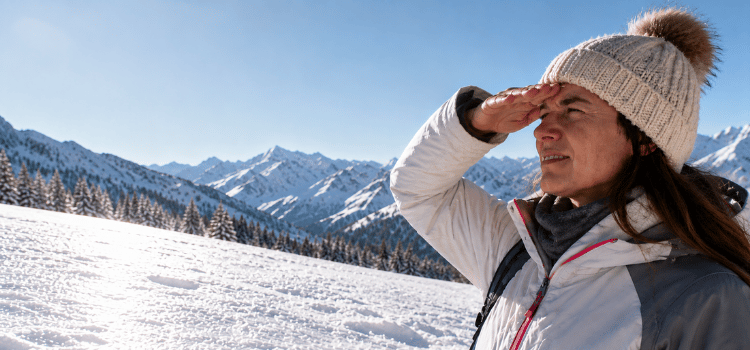
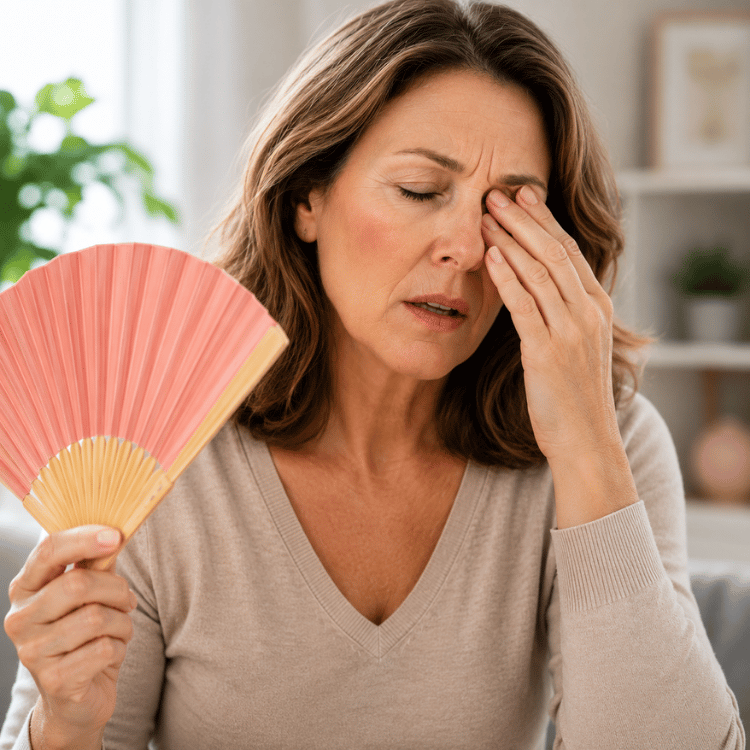
Snow glare can make you squint, strain your eyes, and feel uncomfortable outdoors. Prolonged UV exposure may also cause symptoms such as:
- Burning or painful eyes
- Redness
- Excessive tearing
- Light sensitivity
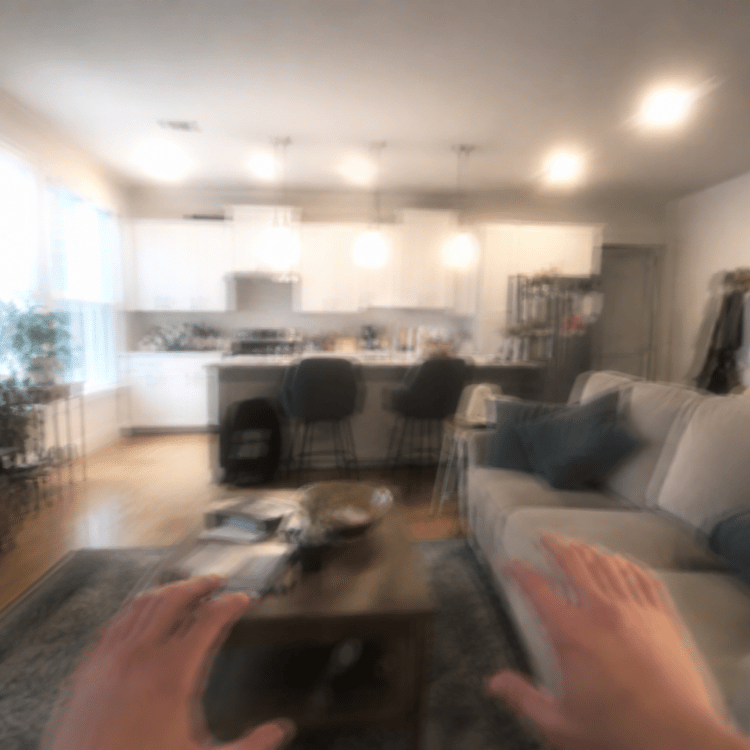
- Blurry vision
- A gritty sensation
These symptoms may appear several hours after significant exposure.
People who ski, snowboard, drive frequently, work outdoors, or spend long periods outside in winter may experience more snow glare.
The Best Eye Protection for Snow Glare
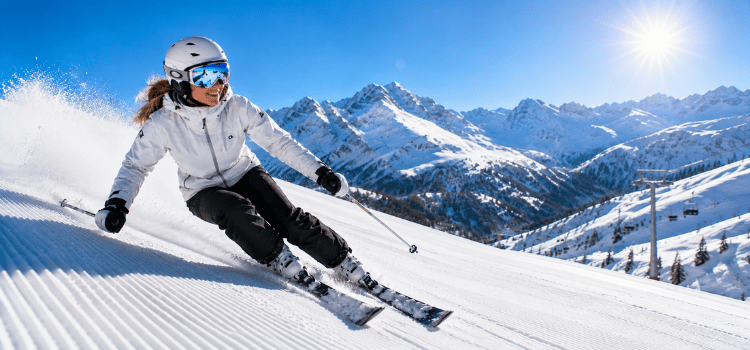
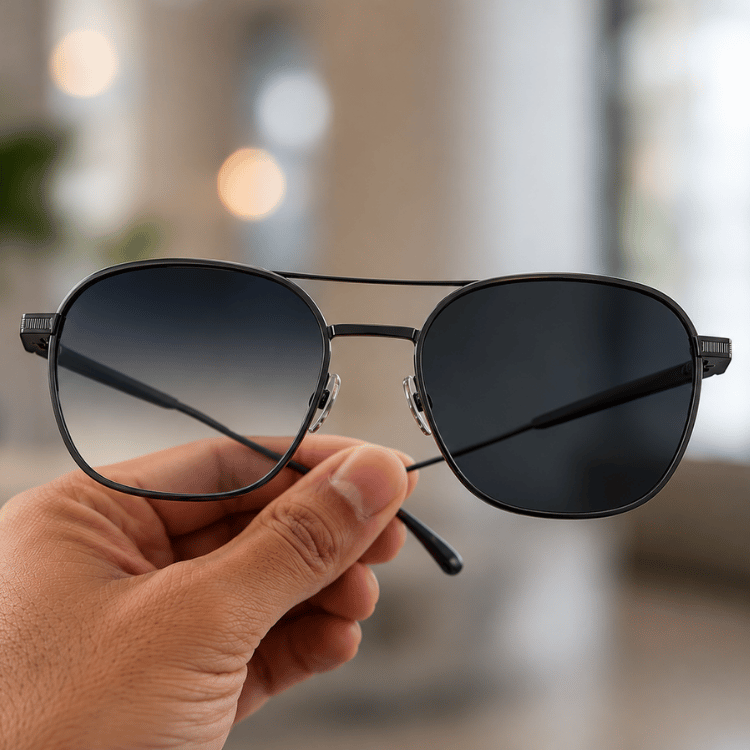
The most important feature in winter eyewear is 100% UVA and UVB protection.
For even more comfort, polarized lenses will dramatically reduce glare reflected from snow, ice, and wet roads. This can make driving and outdoor activities much easier on your eyes.
Ski and snowboard goggles should also provide UV protection, along with enough coverage to shield your eyes from wind and blowing snow.
If you wear prescription glasses, options such as prescription sunglasses, polarized lenses, or prescription ski goggles can give you clear vision and protection at the same time.
Protect Your Eyes This Winter
If you experience eye pain, blurred vision, redness, or strong sensitivity to light after spending time outdoors, contact our optometry team. We can assess your eyes, determine what may be causing your symptoms, and recommend the right care.
We can also help you choose winter eyewear that suits your everyday needs, whether you are driving, walking, skiing, or simply spending more time outdoors. The right lenses can make bright, snowy conditions easier on your eyes while providing important UV protection.
Contact us today to book an eye exam and protect your eyes this winter.
FAQ:
Can snow glare be worse at higher elevations?
Yes. UV exposure increases with altitude, which is why eye protection is especially important when skiing, snowboarding, or spending time in the mountains.*
Do I need sunglasses on cloudy winter days?
Significant UV radiation can still reach your eyes on cloudy days, so UV-protective eyewear must still be worn under these conditions.
Are wraparound sunglasses better for winter?
Yes. Depending on the type of outdoor activity, and the duration of time spent outdoors, wraparound sunglasses are often essential for proper eye protection. Wraparound frames provide more coverage around the sides of your eyes, which help reduce reflected light, wind, and glare.
*With every 1000 m in altitude, UV levels increase by approximately 10 per cent.
https://www.who.int/news-room/questions-and-answers/item/radiation-ultraviolet-%28uv%29?
Written by Rosendo
About the Author:
Rosendo was born and raised in Havana, Cuba, where he began his professional journey studying Optometry and Optics. His career then took him to Dubai, where he worked in the optical field for two years as a Sales Associate. Now, he’s settled in Calgary and takes great pride in being a valued member of our Mountain View Optometry team as an Optical Associate.