Why Dry Eyes Often Get Worse During Menopause
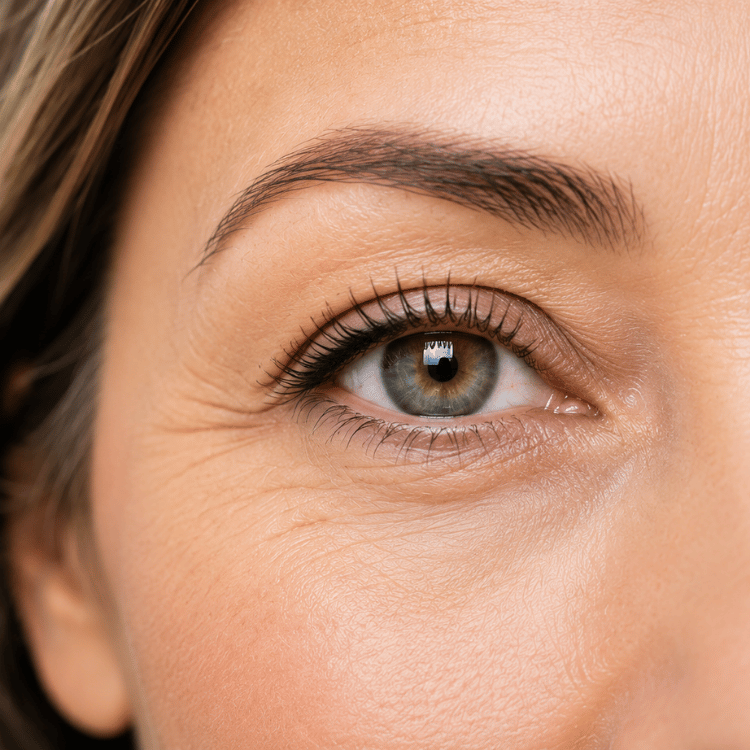
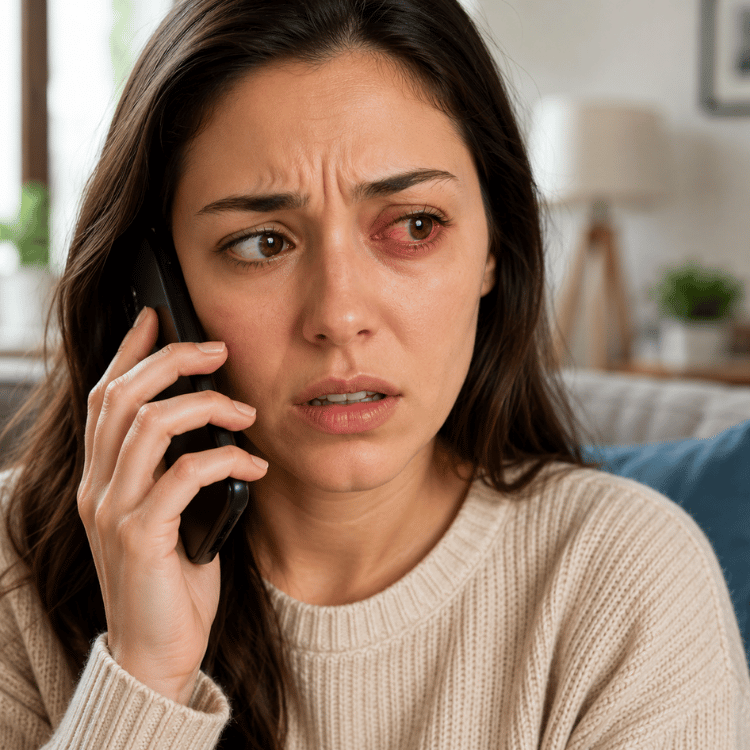
As hormone levels change, they can affect the glands that produce tears and the oils that keep those tears from evaporating too quickly. This may lead to gritty eyes, blurry vision, light sensitivity, or increased discomfort with contact lenses. Age-related hormonal changes associated with menopause are very commonly linked to dry eye disease in women.
How Menopause Affects Your Eyes
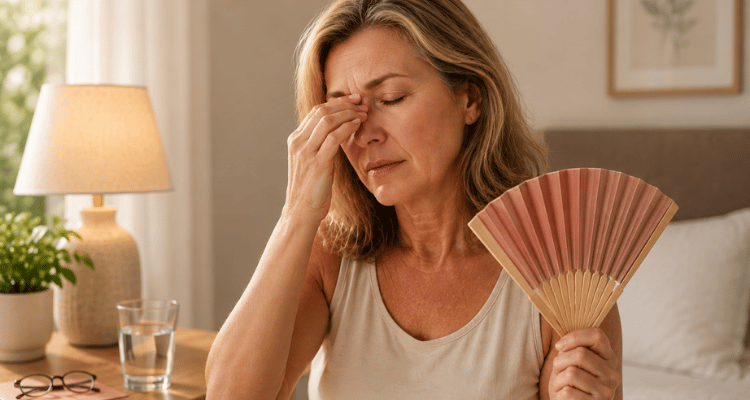
During perimenopause, hormones such as estrogen and androgen can go out of balance for several years. After menopause, their levels normally decline. Part of their role is to help support tear production, oil gland function, and the health of the eye’s surface. When their levels change, the tear film may become less stable.
This can cause:
- Burning or stinging
- A sandy or gritty feeling
- Watery eyes
- Fluctuating vision
- Redness
- Tired eyes
- Contact lens discomfort
Why Symptoms May Feel Worse
Other menopause-related changes can add to dry eye symptoms.
Poor sleep, hot flashes, medication changes, increased screen use, and dehydration may all make your eyes feel more irritated. Calgary’s dry climate can also speed up tear evaporation, especially outdoors in windy conditions or during colder months when we are exposed to forced air from indoor heating systems.
Does Hormone Therapy Help?

While hormone replacement therapy may be helpful in addressing some of the other symptoms of menopause, these medications can often worsen dry eye-related irritation.
How Dry Eye Is Treated
Treatment depends on what is causing your symptoms.
Options may include:
- Preservative-free lubricating drops to improve moisture and comfort
- Oil-based eye drops to help slow tear evaporation
- Warm compresses and eyelid care to support healthy oil gland function
- Prescription treatments to manage inflammation or improve tear production
- In-clinic treatments for blocked or poorly functioning eyelid glands
The best results happen when therapy is tailored for the specific type of dry eye disease and any contributing factors.
Call us today to schedule a dry eye assessment. Reach Mountain View Optometry in Crowfoot at (403) 286-0888 or Mountain View Optometry in Cochrane at (403) 851-2020, and take your first step towards lasting relief from dry, irritated eyes.
FAQ:
Is dry eye from menopause permanent?
Not always. Symptoms can often be managed effectively once the underlying cause is identified and treated.
Can I still wear eye makeup if I have dry eyes during menopause?
Usually, yes, but some products may irritate sensitive eyes. Avoid applying makeup along the inner eyelid margin and replace old eye makeup regularly.
Can menopausal dry eye affect night driving?
Yes. An unstable tear film can cause fluctuating vision, glare, or discomfort that may be more noticeable when driving at night.

Written by Dr. Tom Wilk
About the Author:
Dr. Tom Wilk sees patients at his Cochrane location primarily. He developed the “Patient First” approach now adopted by all Doctors and staff at Mountain View Optometry. He obtained his Doctor of Optometry (OD) from the Michigan College of Optometry in 1994, and his B.Sc. from the University of Waterloo. A native of Toronto, Ontario, he came to Alberta in 1998, attracted by the opportunity to start an optometry practice in the only province that allowed ODs to practice within the full scope of their training.