Choosing the Right Intraocular Lens (IOL): What You Should Know Before Having Cataract Surgery
Cataract surgery has come a long way, and so have your options for restoring clear vision. After the clouded natural lens is removed, it's replaced with an artificial intraocular lens (IOL). But not all IOLs are the same. Today, you can choose from a range of lens types tailored to your vision needs, lifestyle, and goals.
Understanding your options can help you make a confident, informed decision that supports long-term visual comfort and freedom. Here's what you need to know.
What Is an Intraocular Lens (IOL)?
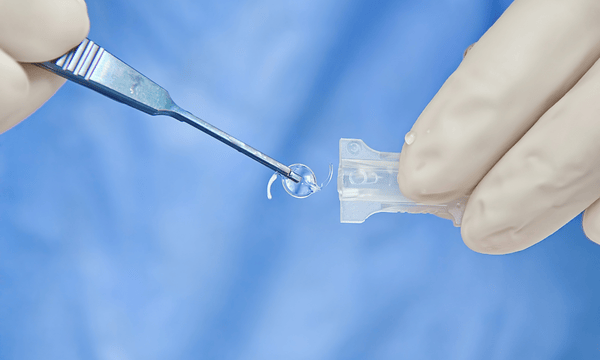
An intraocular lens (IOL) is an artificial lens that replaces the eye’s natural lens after it has been removed during cataract surgery. Cataracts cause the natural lens to become cloudy, leading to blurry vision, glare, and difficulty seeing clearly. Replacing it with a clear IOL restores vision and can even reduce the need for glasses, depending on the type of lens selected.
IOLs are designed to focus light properly onto the retina, much like your original lens did before cataracts developed. Thanks to advances in lens technology, you now have a variety of IOL options tailored to your specific vision needs and lifestyle.
Types of Intraocular Lenses and Their Benefits
| Type of IOL | Best For | Key Benefit | Real-Life Impact |
|---|---|---|---|
| Monofocal IOLs | Those who are comfortable wearing glasses for near tasks only | Provides clear vision at one distance (usually far) | Ideal for driving or watching TV without glasses |
| Multifocal IOLs | Those wanting less overall dependence on glasses | Multiple focus points for near, intermediate, and far vision | Greater freedom for reading, screen use, and daily activities |
| Toric IOLs | People with astigmatism | Corrects both cataracts and astigmatism | Sharper vision without separate corrective lenses |
| Extended Depth of Focus (EDOF) IOLs | Those wanting improved range of vision without glasses | Extended range of clear vision with fewer side effects | Comfortable for driving and using screens at arm’s length |
How to Choose the Right IOL for Your Lifestyle
Consider Your Daily Activities
Think about how you use your vision every day. Do you:
- Read often?
- Spend time on digital devices?
- Drive at night?
- Play sports or enjoy the outdoors?
Choosing an IOL that matches your routine will give you the most satisfaction post-surgery.
Your Tolerance for Glasses Post-Surgery
Some patients don’t mind wearing readers, while others want the most freedom possible. Premium IOLs can offer more independence from glasses but may involve trade-offs like visual side effects or added costs.
Budget and Insurance Coverage
Standard monofocal lenses are typically covered by provincial health care, while premium IOLs may involve out-of-pocket costs. It's important to weigh the benefits against your budget and long-term vision goals.
What to Expect During Your IOL Consultation
Your eye care provider will:
- Perform detailed eye measurements
- Discuss your visual goals
- Review your medical history
- Recommend IOL options based on your needs
Tip: Come prepared with questions. Ask about pros, cons, and what kind of vision you can realistically expect.
At Mountain View Optometry, we believe that choosing the right intraocular lens (IOL) is a meaningful step toward better vision and a better life. It's not just about correcting cataracts, it's about selecting a lens that fits your lifestyle, supports your long-term eye health, and helps you see the world clearly and comfortably. Through our Pre-Cataract Eye Care & Lens Guidance program, we take the time to understand your needs and help you explore your options, so you can move forward with clarity and confidence.
FAQ:
What is the safest intraocular lens?
All Health Canada-approved IOLs are safe. Your MVO optometrist will recommend the safest and most effective option for your eye health and vision needs.
Will I still need glasses after getting an IOL?
It depends on the type of IOL. Monofocal lenses usually require reading glasses. Premium IOLs can reduce or eliminate the need for glasses.
Can I upgrade my IOL later if I change my mind?
Not likely. Cataract surgery with IOL implantation should be considered permanent. Additional surgery to remove or replace an IOL is rarely done due to the risks involved. It is therefore important to make the right IOL choice at the start.
Are premium lenses worth the extra cost?
If reducing your dependence on glasses is important to you, premium lenses may be well worth the investment.
How long do intraocular lenses last?
IOLs are designed to last a lifetime and typically do not need to be replaced.

Written by Dr. Tom Wilk
About the Author:
Dr. Tom Wilk sees patients at his Cochrane location primarily. He developed the “Patient First” approach now adopted by all Doctors and staff at Mountain View Optometry. He obtained his Doctor of Optometry (OD) from the Michigan College of Optometry in 1994, and his B.Sc. from the University of Waterloo. A native of Toronto, Ontario, he came to Alberta in 1998, attracted by the opportunity to start an optometry practice in the only province that allowed ODs to practice within the full scope of their training.