Do You Really Need an Eye Exam If You Don’t Wear Glasses?
If you don’t wear glasses or contacts, it’s easy to assume your eyes are just fine. After all, you can see clearly, so what’s the point of booking an eye exam, right? Not quite. Comprehensive eye exams are about much more than just updating your prescription. They play a key role in maintaining your eye health, detecting silent eye diseases, and even spotting signs of other serious health conditions.
Why Eye Exams Still Matter, Even If You Don't Wear Glasses
1- Early Detection of Eye Diseases
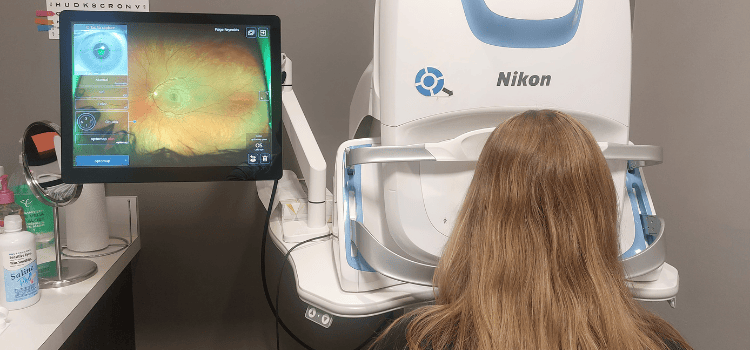
Many eye conditions develop without obvious symptoms in their early stages. Glaucoma, macular degeneration, and diabetic retinopathy can all begin quietly and progress before you notice any changes in vision. A comprehensive eye exam can catch these issues early, giving you more treatment options and often allowing for simpler, less invasive care. It’s about protecting your sight before you even realize it’s at risk.
2- Your Eyes Can Reveal Hidden Health Issues
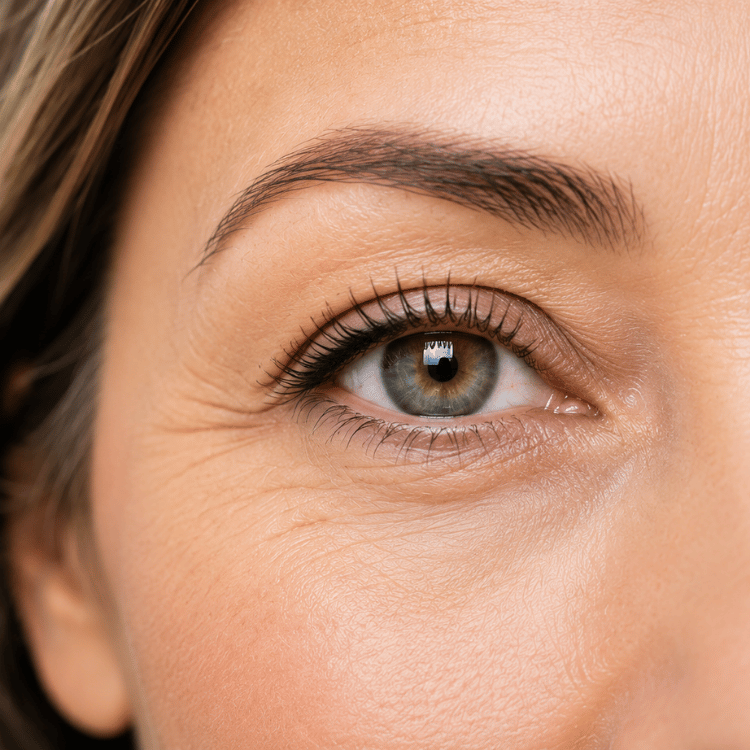
The eye is the only place in your body where blood vessels and nerves can be seen non-invasively. During an eye exam, your optometrist may detect signs of conditions like high blood pressure, diabetes, or high cholesterol. In some cases, people first learn about these issues from an eye doctor, not their family physician. An exam gives you more than just reassurance about your vision, it offers peace of mind about your overall health.
3- Visual Comfort in a Digital World

You might have perfect distance vision, but that doesn’t mean your eyes are immune to strain. With so many of us spending hours on screens, symptoms like headaches, blurry vision, or tired eyes are more common than ever. An eye exam can uncover problems with focusing, eye teaming, or dry eyes and provide solutions like blue light filters or personalized recommendations to help you work more comfortably and efficiently throughout the day.
4- Preventive Care Is Smart Care
Getting your eyes checked regularly is part of being proactive about your health. Just like going to the dentist even when nothing hurts, eye exams help you stay ahead of potential problems. Skipping them because your vision seems fine is a risk you don’t need to take. It's a small investment that can save you from major issues down the road.
5- Life Changes? Your Vision Can Change Too

Even if you've always had sharp eyesight, life changes can be disruptive. Age, stress, pregnancy, medications, and other factors can affect how well your eyes function. Regular eye exams help ensure that your eyes are adapting well to whatever life brings, so you can stay confident that your vision is supporting your lifestyle at every stage.
Keep Your Eyes Healthy for Life
Even if you don’t wear glasses, your eyes still need care. A comprehensive eye exam is a simple, proactive way to protect your vision and overall health. It takes less than an hour and could save you from future issues.
Book your comprehensive eye exam today and take a smart step toward lifelong eye health.
FAQs:
How often should I get an eye exam if I don't wear glasses?
Most adults should have a comprehensive eye exam every 1 to 2 years, even without vision correction needs.
Can eye exams really detect other health problems?
Yes. Your eyes can show signs of diabetes, hypertension, high cholesterol, auto-immune disease and more, often before other symptoms appear.
Do eye exams hurt or involve dilation of the pupils?
Eye exams are quick and painless. Dilation may be recommended to get a better look at the back of the eye, but it’s temporary and safe.

Written by Dr. Tom Wilk
About the Author:
Dr. Tom Wilk sees patients at his Cochrane location primarily. He developed the “Patient First” approach now adopted by all Doctors and staff at Mountain View Optometry. He obtained his Doctor of Optometry (OD) from the Michigan College of Optometry in 1994, and his B.Sc. from the University of Waterloo. A native of Toronto, Ontario, he came to Alberta in 1998, attracted by the opportunity to start an optometry practice in the only province that allowed ODs to practice within the full scope of their training.