META SMART GLASSES: REAL BENEFITS FOR THOSE WITH LOW VISION
Technology advances have made the world easier to navigate for those with sight loss from conditions such as macular degeneration, diabetic retinopathy, and glaucoma. The new Meta AI Glasses, which blend AI-enabled technology into a wearable device, can make everyday tasks easier and more efficient for those suffering from low vision.
How They Help

- Reading Text: By using voice commands like "Hey Meta, read this," the glasses' built-in camera captures an image and their artificial intelligence reads aloud printed text from books, mail, menus, and labels.
- Identifying Surroundings: Users can ask, "Hey Meta, what am I looking at?" to receive a detailed audio description of what is in front of them, helping them identify objects, food items in a pantry, or even the faces of loved ones.
- Live Assistance Integration: The glasses can connect directly to the Be My Eyes app, allowing a user to say "Hey Meta, Be My Eyes" and connect hands-free to a sighted volunteer who can look through the glasses' camera and assist with tasks.
Why They Are a Game Changer
- Affordability: Unlike traditional medical low-vision assistive devices that can cost thousands of dollars, Meta smart glasses are consumer-friendly and highly accessible.
- Discreet and Hands-Free: Users can get them fitted with prescription lenses or choose transition lenses, which is especially helpful because AMD patients often experience severe light sensitivity.
Meta AI Glasses are now available at MVO. Contact us for more information to find out if you or a loved one could benefit from this amazing new technology.
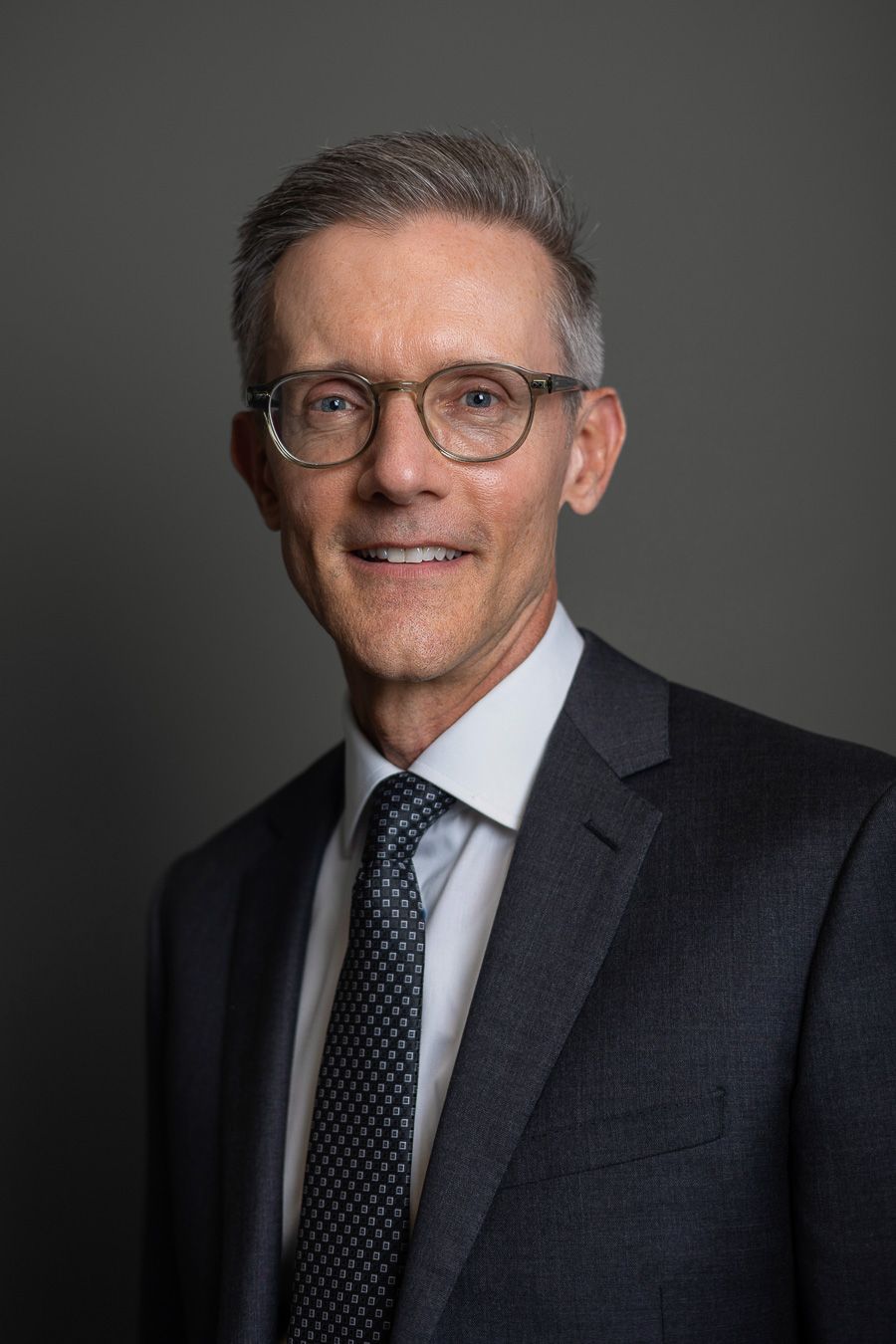
Written by Dr. Tom Wilk
About the Author:
Dr. Tom Wilk sees patients at his Cochrane location primarily. He developed the “Patient First” approach now adopted by all Doctors and staff at Mountain View Optometry. He obtained his Doctor of Optometry (OD) from the Michigan College of Optometry in 1994, and his B.Sc. from the University of Waterloo. A native of Toronto, Ontario, he came to Alberta in 1998, attracted by the opportunity to start an optometry practice in the only province that allowed ODs to practice within the full scope of their training.