RISKS OF BUYING EYE DROPS ONLINE: WHAT YOU SHOULD KNOW
Eye drops are often an important part of treating dry eye disease, allergies, and other eye conditions. But buying drops online-especially from unfamiliar sellers or overseas-can carry real risks. Recent public reports have raised concerns about contamination linked to eye infections, including stories involving contaminated containers produced in overseas factories. While not every product is affected, these reports highlight why sourcing matters—particularly for people with dry eye disease, whose ocular surface is already more vulnerable.
Why dry eye patients should be extra cautious
Dry eye disease can involve inflammation and changes to the tear film that normally protect the eye. When the eye surface is stressed, it may be less able to resist irritation or infection. If a bottle or container is contaminated, the consequences can be more serious—especially for patients who use drops frequently.
Key risks of online eye drop purchases
1) Contamination from manufacturing or packaging
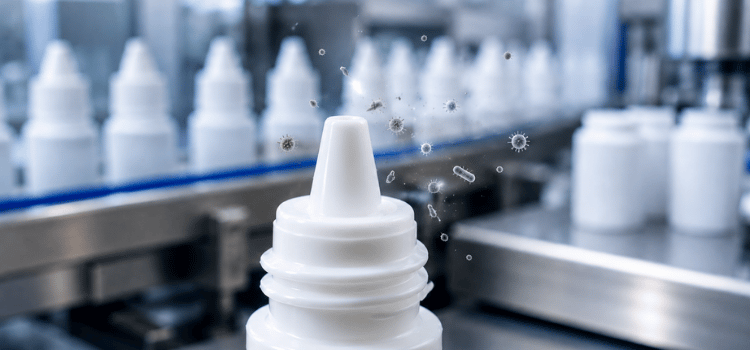
Contamination can occur not only in the liquid, but also in the container itself (the bottle, dropper tip, or dispensing mechanism). In some reported cases, patients developed eye infections after using affected products. Symptoms may include redness, burning, discharge, swelling, light sensitivity, and-importantly-pain rather than just mild irritation.
2) Counterfeit or misrepresented products
Some online listings may sell counterfeit versions or products that don’t match the label. Differences in active ingredients, concentrations, or preservatives can affect both safety and how well the drops treat your condition.
3) Improper storage during shipping
Heat and sunlight can degrade some eye drop components. If product storage conditions are questionable, the effectiveness of preservatives and the stability of ingredients may change.
4) Expired, unlabeled, or hard-to-verify products
When bottles come from unclear channels, it can be difficult to confirm:
- expiration date and batch/lot numbers
- whether the label accurately matches the contents
- whether the product was handled correctly before it reached you
If you bought drops online or plan to:
- Buy from reputable suppliers rather than unknown marketplace sellers. At MVO we only sell products from reputable Canadian suppliers or distributors.
- Check the brand name, lot number, expiration date, and packaging integrity.
- If you see a recall or public safety alert, stop using the product and contact our office.
When to seek urgent care:
Contact us promptly—or seek urgent evaluation—if you have rapidly worsening redness, eye pain, thick discharge/crusting, light sensitivity, or blurred or reduced vision after starting new drops.
If you’d like, bring the bottle (including the label/lot number) to your next visit and we can help you confirm whether it’s from a trustworthy source and discuss safer options for dry eye.

Written by Dr. Tom Wilk
About the Author:
Dr. Tom Wilk sees patients at his Cochrane location primarily. He developed the “Patient First” approach now adopted by all Doctors and staff at Mountain View Optometry. He obtained his Doctor of Optometry (OD) from the Michigan College of Optometry in 1994, and his B.Sc. from the University of Waterloo. A native of Toronto, Ontario, he came to Alberta in 1998, attracted by the opportunity to start an optometry practice in the only province that allowed ODs to practice within the full scope of their training.