Which Myopia Control Treatment Is Right for Your Child?
If your child’s eyewear prescription keeps increasing, it’s not something to ignore. Myopia, or nearsightedness, often progresses in children as they grow. Updating their glasses prescription each year helps them see clearly today, but it does not slow down what is happening inside the eye.
That is where myopia therapy comes in. The goal is not just better vision, but protecting your child’s long-term eye health.
Why Slowing Myopia Matters

Myopia is often seen as a simple vision issue, but higher prescriptions are linked to a greater risk of eye health problems.
Younger children with myopia tend to progress faster over time. This means a child who starts early is more likely to end up with a stronger prescription as they grow.
Myopia control focuses on reducing that progression. That means:
- Fewer prescription changes
- Lower long-term risk to eye health
- More stable vision as your child grows
How We Choose the Right Treatment
There is no one-size-fits-all solution. The best treatment depends on your child’s unique situation.
We look at:
- Age: Younger children often progress faster
- Prescription history: How quickly things have been changing
- Family history: Myopia often runs in families
- Lifestyle: Screen time, reading habits, and time spent outdoors
This helps us recommend a treatment that fits both your child’s eyes and your family’s routine.
Myopia Control Treatment Options
Myopia control contact lenses
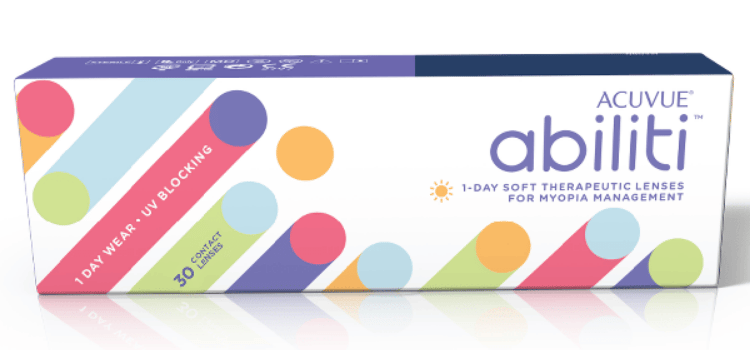
These soft contact lenses are designed to do more than just correct vision. They change how light focuses as it enters the eye, which helps slow down eye growth.
What this means for your child:
- Clear vision throughout the day without glasses
- Slower prescription changes over time
- More freedom for sports and activities
For many children, this option feels natural and easy to adapt to.
Orthokeratology (Ortho-K)
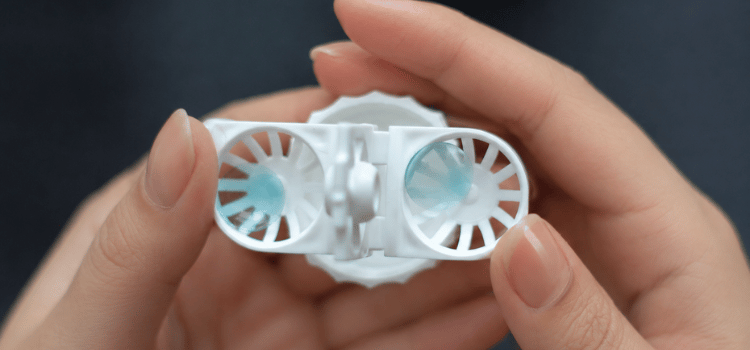
Ortho-K lenses are worn overnight. While your child sleeps, the lenses gently reshape the front of the eye.
By morning, your child can see clearly without needing glasses or contacts during the day.
Benefits your child will notice:
- Clear vision all day without wearing glasses or contact lenses
- Ideal for sports, swimming, and active lifestyles
- Slows myopia progression while offering daytime freedom from prescription eyewear
This is often a great option for parents who want both freedom from glasses and contact lenses and therapeutic myopia management for their child, in one solution.
Atropine Eye Drops
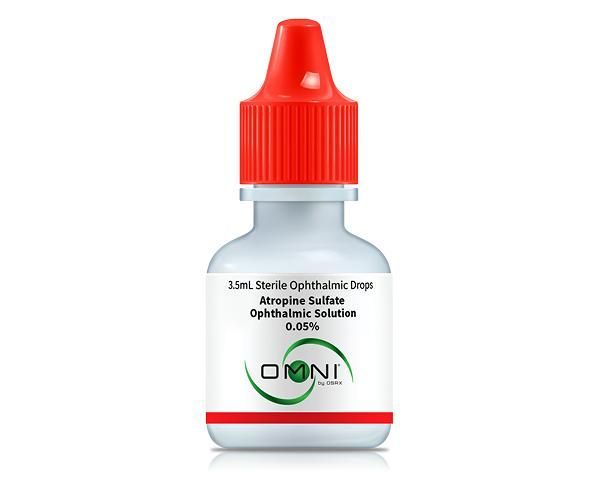
Atropine drops are a well established, easy to use myopia control strategy. They are diluted by 20 times or more from regular strength concentrations. One drop each night works in the background to slow myopia progression.
Why families choose this option:
- No need for contact lenses
- Easy to use, especially for younger children
- Lower-dose versions reduce side effects while staying effective
In some cases, atropine is combined with other treatments to improve results.
Lifestyle Still Plays a Role
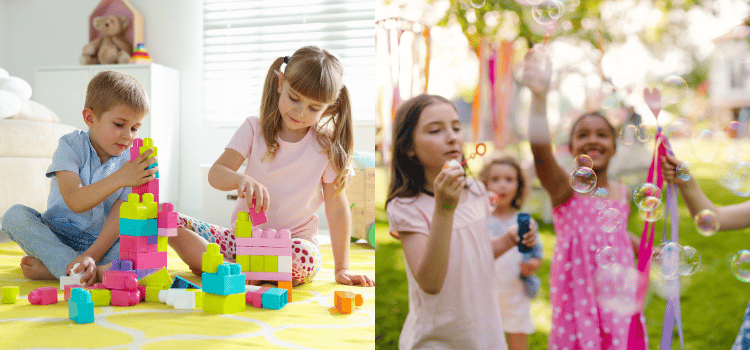
Treatment is the foundation, but lifestyle habits can support better outcomes.
Encourage your child to:
- Spend more time outdoors (with proper UV protection – sunglasses)
- Take breaks from reading and digital screen use, avoiding prolonged periods of close-up work outside of school assignments
These small changes help reduce visual strain and support healthier eye development.
So, Which Option Is Best?
There is no single best treatment for every child.
Some children do well with glasses, while others prefer soft contact lenses, Ortho-K, or atropine drops. In some cases, treatments may be combined.
A myopia management assessment can help determine which option fits your child’s eyes, lifestyle, and daily routine.
When Should You Start?
If your child’s myopia is progressing, it is better to act early.
Younger children tend to progress faster, so starting treatment sooner can make a bigger difference. Waiting to start therapy often leads to higher prescriptions that carry greater risks. The correct treatment can lead to better vision, reduced dependence on corrective lenses, and improved quality of life for your child.
The goal is simple. Help your child see clearly today while protecting their vision for the future.
Book your child’s eye exam today and find a myopia control plan that supports their vision now and protects it for the future.
FAQ:
Do myopia control treatments actually work?
Yes. Clinical studies show that these treatments can slow how quickly myopia progresses in children, helping protect long-term vision.
Are these treatments safe for kids?
Yes, when prescribed and monitored by an eye care professional, they are considered safe and effective.
Can myopia be reversed?
No. Myopia cannot be reversed, but it can be slowed down, which is key to reducing long-term risks.
What is the best age to start myopia control?
The earlier myopia begins, the more important it is to start treatment. Many children benefit from starting as soon as progression is detected.

Written by Dr. Tom Wilk
About the Author:
Dr. Tom Wilk sees patients at his Cochrane location primarily. He developed the “Patient First” approach now adopted by all Doctors and staff at Mountain View Optometry. He obtained his Doctor of Optometry (OD) from the Michigan College of Optometry in 1994, and his B.Sc. from the University of Waterloo. A native of Toronto, Ontario, he came to Alberta in 1998, attracted by the opportunity to start an optometry practice in the only province that allowed ODs to practice within the full scope of their training.