THE RISKS ASSOCIATED WITH MYOPIA
Does your child say they have trouble seeing the board at school? Or do you notice them squinting to see certain things? Do they already wear glasses so they can see far away? Maybe your child's glasses prescription is changing and you're having to update their glasses frequently. Why is this? And, is there anything that can be done about it?
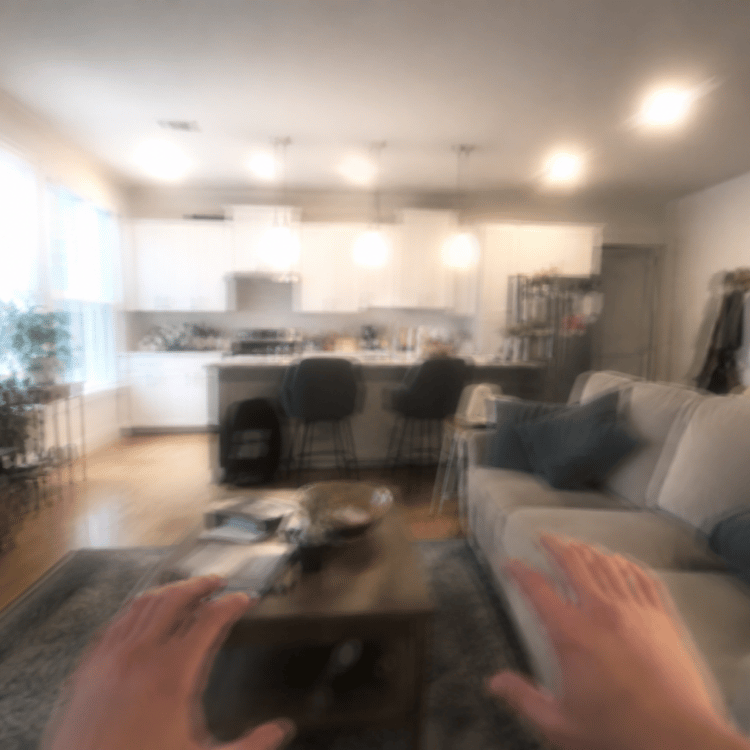
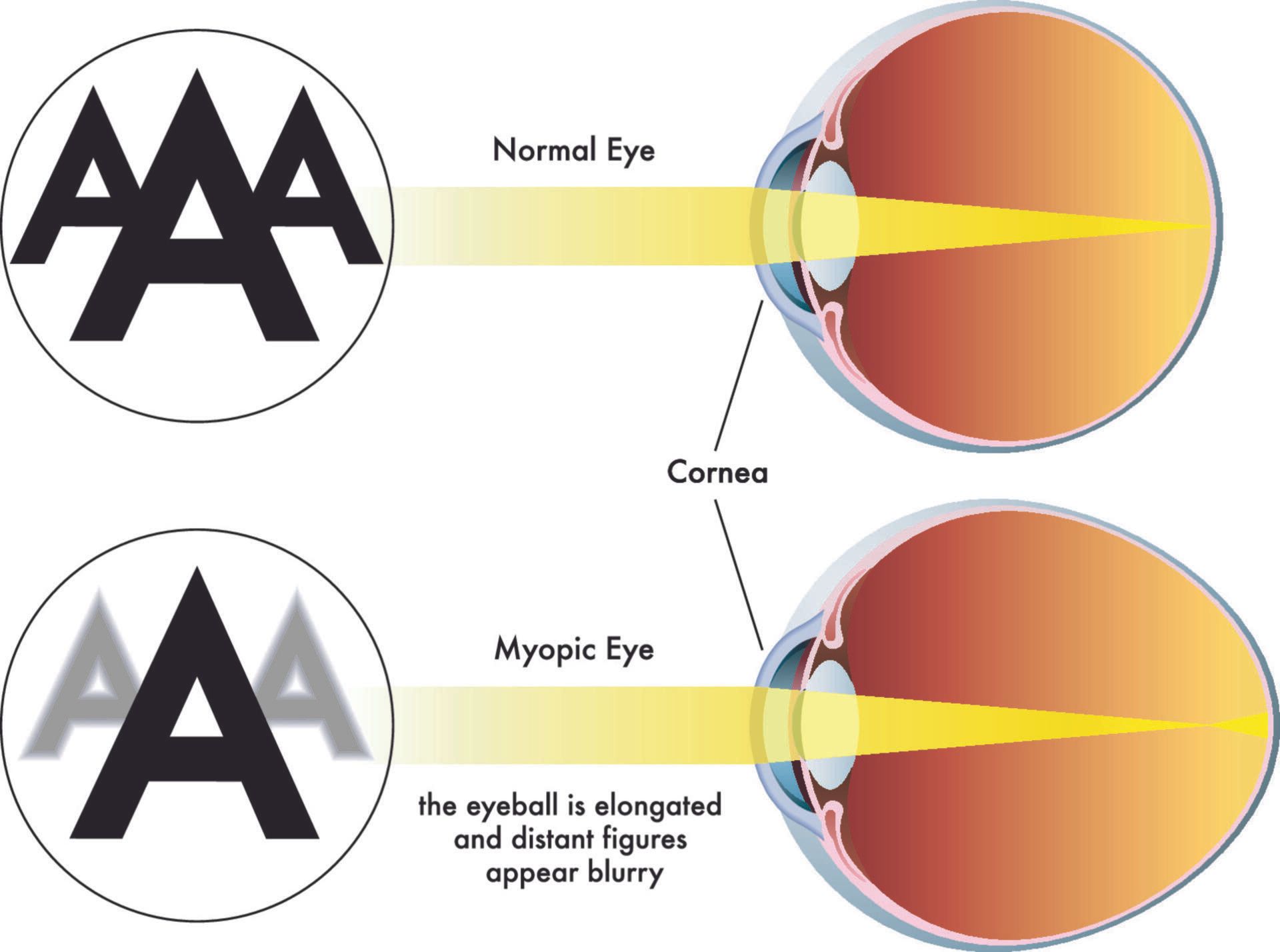
Myopia, or nearsightedness, is an eye condition that affects millions of people across the globe. Myopia is when the light entering the eye focuses in front of, instead of on, the retina. This causes far-away objects to be blurry while up-close objects remain clear. The rate at which people are affected by myopia has been increasing and this includes children. The concern with this is that myopia tends to get worse as a child grows and, with higher myopia, comes a higher risk of eye diseases like glaucoma, cataracts, myopic maculopathy, and retinal detachment. So, what are the risk factors for developing myopia? What can be done to lower the chances of developing myopia or, if your child has myopia, what can be done to slow progression?
First, let's look at the risk factors for developing myopia:
1) Genetics: If one, or both, parents have myopia, the chances of their child being myopic increases. There are also some ethnicities that have higher rates of myopia.
2) Too much near work: Near work includes reading, writing, drawing, hand-held games, and electronic devices.
3) Not enough time outside: Spending time outside may delay when a child develops myopia and may slow down the progression in a child who already has myopia.
How can you lower the risks?
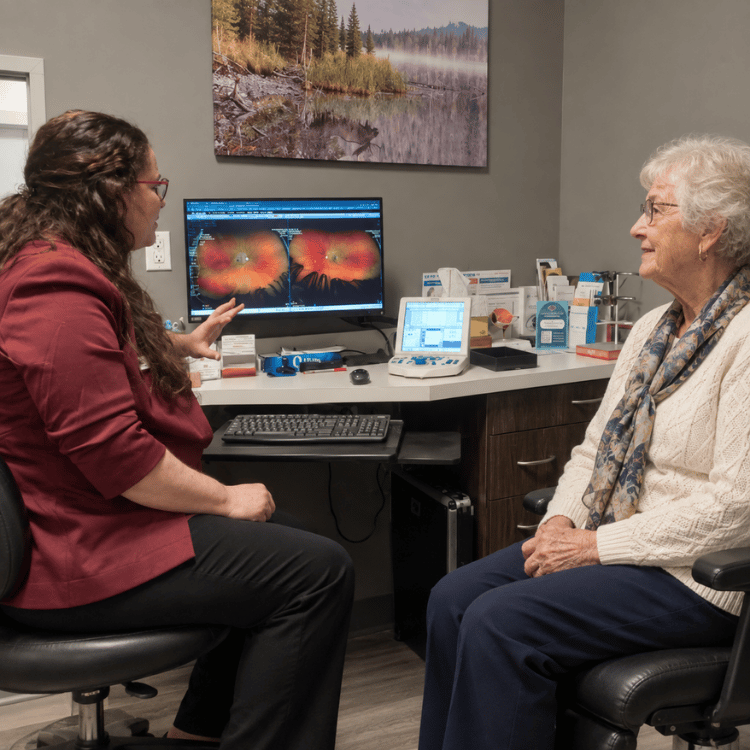
1) Regular eye exams: Annual eye exams can help identify risks and concerns early on. A child may not know that there is a problem or be unsure of how to communicate that there is a concern with their eyes.
2) Reduce screen time: Depending on a child's age, recommendations for time on screens can vary. In general, the younger the child, the less they should be exposed to screens, with teens ideally spending less than 2 hours on screen outside of schoolwork.
3) Taking breaks for near work: Short breaks should be taken from near work, whether on screens or not, every 20 minutes to allow the eyes to relax. Good lighting when doing near work and holding the near material at the proper distance are both helpful as well.
4) Spend more time outside: Encouraging time outside, while still wearing sunglasses and hats to give the eyes UV protection, can help delay or slow myopia progression.
5) Myopia control options: Typical glasses and contact lenses can correct the blurry vision that is caused by myopia but they do not help slow down the progression of myopia. The good news is that there are a variety of options to help correct blurry vision and slow down the progression of myopia.
Keep an "eye" out for our next newsletter where we will talk more about these myopia control options. Please speak with our Mountain View Optometry team with any myopia questions!
- By Dr. Brandea Balcomb