What High Blood Pressure Can Do to Your Eyes
High blood pressure (hypertension) is a common condition, affecting around 28% of adults in Canada*. While many are aware that untreated hypertension may lead to heart attack and stroke, few know of the associated risk of vision loss.
How Does High Blood Pressure Affect Your Eyes?

Over time, high blood pressure can damage the tiny blood vessels in the retina, the light-sensitive tissue at the back of your eye. This is called hypertensive retinopathy.
Depending on how severe the damage is, these blood vessels may narrow, leak, or bleed. In more advanced cases, high blood pressure can also affect the optic nerve or cause fluid to collect beneath the retina.
These changes can lead to:
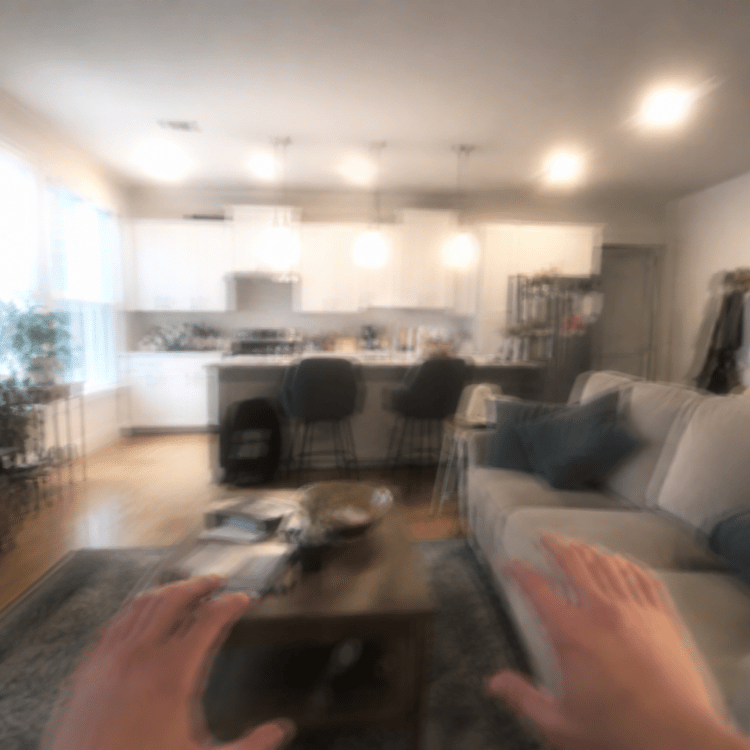
- Blurred vision
- Distorted vision
- Vision loss in severe cases
However, symptoms may be absent for many years in the early stages of untreated hypertension.
Can an Eye Exam Detect Signs of High Blood Pressure?
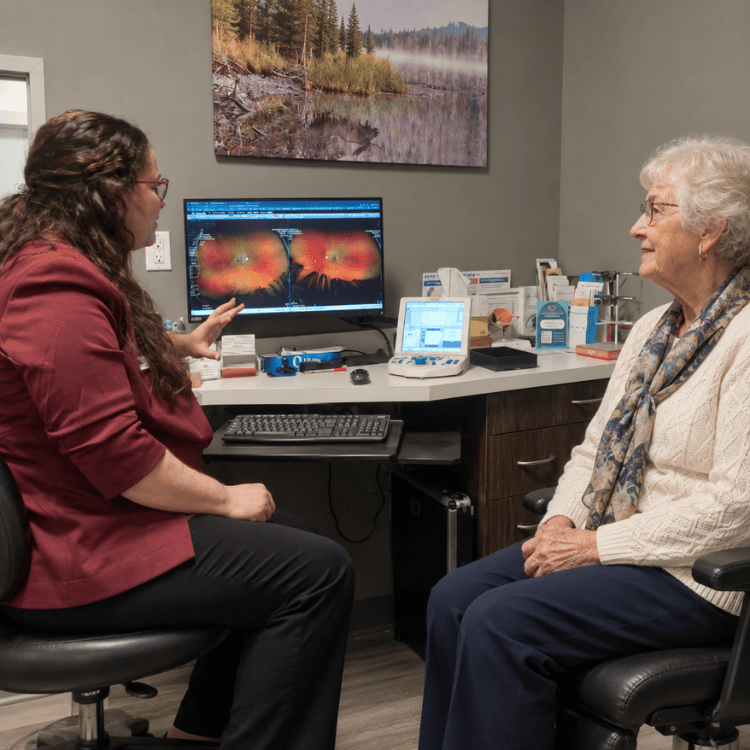
A comprehensive eye exam provides your Doctor of Optometry an opportunity to examine the retina, optic nerve, and blood vessels inside your eyes.
We may notice blood vessel changes that can be associated with high blood pressure. If we suspect hypertensive retinopathy, we may measure your blood pressure and contact your family doctor. While an eye exam does not replace an examination by your family doctor, it can provide useful information about your overall health.
High Blood Pressure vs. High Eye Pressure
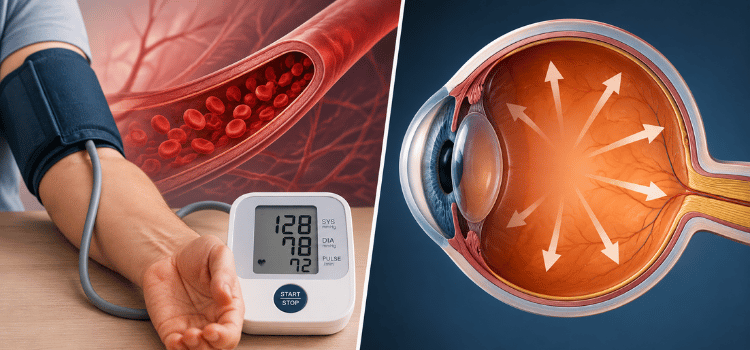
High blood pressure and high eye pressure are not the same thing.
High blood pressure affects the blood vessels throughout your body.
High eye pressure, also called ocular hypertension, refers to increased pressure inside the eye and can increase the risk of glaucoma in some people.
While those with hypertension are at greater risk of glaucoma, high eye pressure and high blood pressure are different conditions that are treated independently.
When Should You Be Concerned?
If you have high blood pressure, it's important to keep it well managed, take any prescribed medication as directed, and ensure you receive a comprehensive eye exam once per year.
Sudden vision loss, severe blurred vision, double vision, or vision changes combined with weakness, difficulty speaking, numbness, or severe headache require urgent medical attention.
Can Eye Damage from High Blood Pressure Be Reversed?
It depends on the severity of the damage.
Some changes may improve when blood pressure is properly managed. More serious damage to the retina or optic nerve may be permanent.
Managing your blood pressure and getting your eye health checked regularly are important to protect your vision and prevent further damage.
Book a comprehensive eye exam today to help protect your vision and catch potential changes early.
FAQ:
What if my optometrist finds problems in my eyes related to high blood pressure?
Depending on the extend of the concern, you may need closer monitoring of your eye health and vision (every few months), adjustment to your medications, or a referral to an ophthalmologist.
Who is more likely to develop eye problems from high blood pressure?
Those who have had hypertension for many years, have poorly controlled blood pressure, are overweight, and/or have other conditions such as diabetes, heart disease, high cholesterol or sleep apnea would face greater risks of vision loss. Smoking and excessive use of alcohol have also been found to contribute to the risk.
Can blood pressure medication help protect my eyes?
Yes. Keeping your blood pressure under control with prescribed medication can help reduce the risk of further damage to your eyes.
*
https://onlinecjc.ca/article/S0828-282X(26)00370-3/fulltext

Written by Dr. Tom Wilk
About the Author:
Dr. Tom Wilk sees patients at his Cochrane location primarily. He developed the “Patient First” approach now adopted by all Doctors and staff at Mountain View Optometry. He obtained his Doctor of Optometry (OD) from the Michigan College of Optometry in 1994, and his B.Sc. from the University of Waterloo. A native of Toronto, Ontario, he came to Alberta in 1998, attracted by the opportunity to start an optometry practice in the only province that allowed ODs to practice within the full scope of their training.