WHAT IS THE LEAST COMMON EYE COLOUR?

January 15, 2023
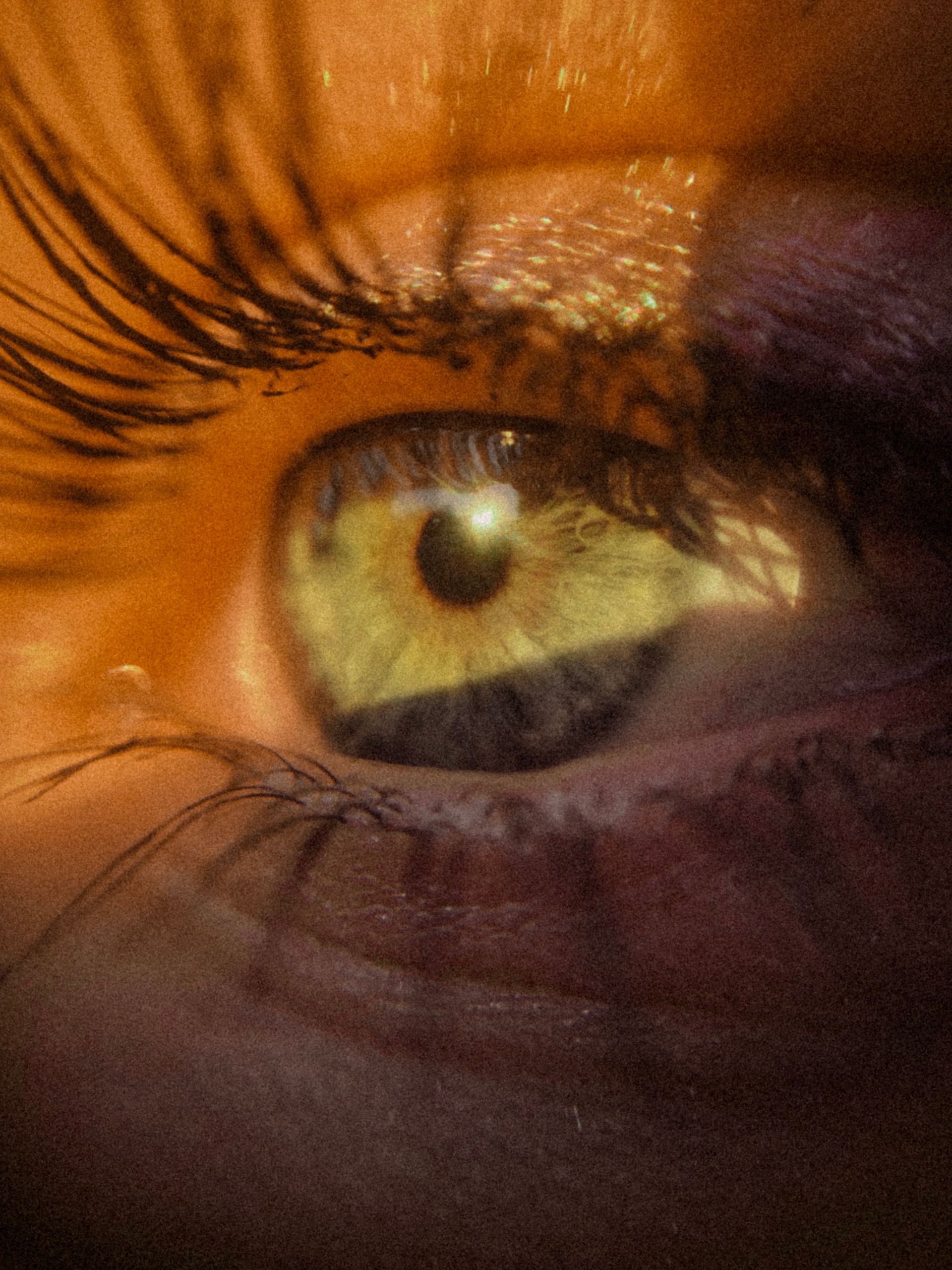
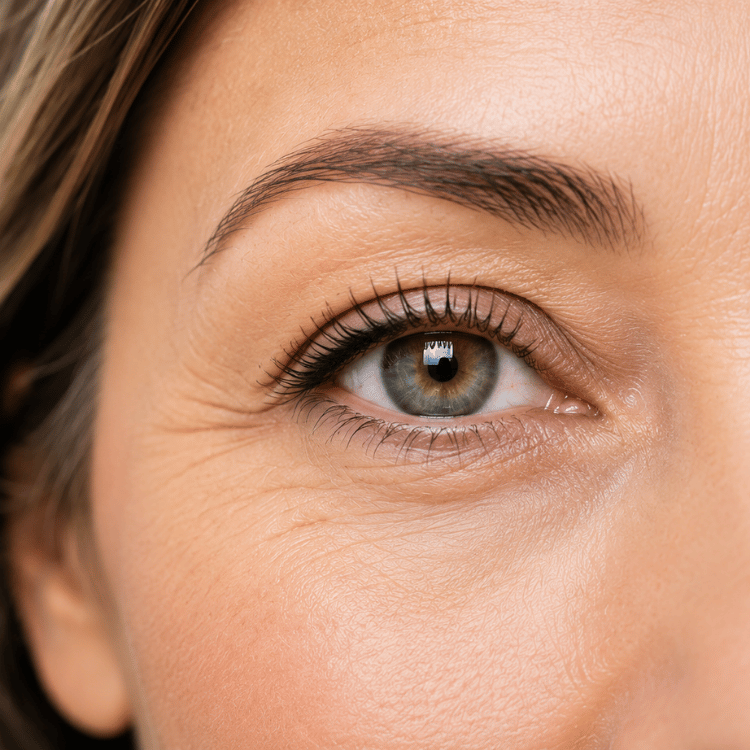
A close up of a woman 's eye with long eyelashes

Eye colour is often one of the first things we notice when we meet someone new. The iris is the part of the eye that is coloured, and its function is to create the pupil and regulate the amount of light entering our eyes.


Thousands of years ago, the only eye colour that existed in the earliest humans was brown. Over time, genetic variants developed leading to lighter eye colours such as blue, green, grey, and hazel.


The level of melanin (a substance that produces pigment or colouration) as well as the thickness of the iris both affect eye colour. Melanin blocks light, ensuring that less sunlight enters the eye, protecting it from diseases like cataracts and macular degeneration. There is a higher amount of melanin in darker coloured eyes, and it’s thought that the lighter eye colours evolved over time as our human ancestors migrated to more Northern climates where the level of UV light was lower and less likely to cause damage to vision.


Here are how the various eye colours rank in frequency worldwide, from most to least common:

Brown – (79%)

Blue – (14%)

Hazel – (5%)

Green – (2%)


So, those of you with green eyes are in rare company!


Remember that everyone needs to ensure their eyes (no matter what colour) are protected from the damaging rays of the sun, so please wear your sunglasses.


Source: https://www.readersdigest.ca/health/healthy-living/rarest-eye-colour-in-the-world/

Woman undergoing eye exam with a slit lamp and an assistant holding a lens.
By Tom Wilk January 28, 2026
Discover how dry eye can impact your cataract surgery results and what you can do to improve healing and clarity before your procedure.
Woman having an eye exam with a slit lamp machine, smiling.
By Tom Wilk January 27, 2026
Think your eyes are fine? Learn why skipping regular eye exams could put your vision and overall health at risk, even without symptoms.
Child receiving eye exam with doctor, mother present. White medical office.
By Tom Wilk January 27, 2026
Discover the main causes of myopia in children and how to protect your child’s vision. Find practical steps you can take to reduce the risk of progression.
Man having an eye exam with an ophthalmoscope, being examined by a doctor.
By Tom Wilk November 27, 2025
Wondering what to ask before cataract surgery? Here are the top 7 questions to ensure you're confident, prepared, and ready for clearer vision.
Woman with  blonde hair and glasses, resting chin on hand, smiling.
By Rosendo C November 26, 2025
Struggling with progressive lenses? Discover practical tips to ease the transition, improve clarity, and avoid common mistakes.
Man with glasses in hand is touching his eyes like he is in pain.
By Rosendo C November 26, 2025
Discover how antifatigue lenses reduce digital eye strain, enhance comfort, and support healthier vision.
Black-framed glasses, one lens clean, one smudged. Icons show cleaning supplies, hairspray, bug spray, and sunscreen.
By Rosendo C October 29, 2025
Discover the everyday chemicals quietly damaging your eyeglass lenses. Learn how to avoid them and keep your vision crystal clear.
Woman with pink glasses and ponytail, thoughtful expression, with math equations in background.
By Tom Wilk October 29, 2025
Confused by your eye prescription? Learn what those numbers mean, from SPH to CYL, and how they impact your vision and glasses.
Comparison of IPL, RF, and Jett Plasma devices; white and teal/purple medical equipment with labels.
By Richard Wilk October 29, 2025
Struggling with dry eye? Learn the differences between IPL, RF, and Jett Plasma treatments, and find out which option may be right for you.
Boy stressed, holding head in hands, over a notebook with a ruler and pencils on a desk.
By Tom Wilk September 22, 2025
Think your child has ADHD? It could be a vision issue. Learn how to spot the differences and why a full eye exam should be your first step.
Show More