ARTEMIS II WRAP-UP: WHAT WE LEARNED ABOUT ASTRONAUTS’ EYES
April 27, 2026
Artemis II has flown around the Moon, and scientists are now turning a lot of attention to what we learned about vision and eye health on the trip. Here’s the quick takeaway.

What we already knew from spaceflight
- Some astronauts notice changes in vision after long space missions. In microgravity, fluid shifts can affect eye shape and pressure around the optic nerve. This is known as “Spaceflight Associated Neuro-Ocular Syndrome” (SANS)
- Radiation outside Earth’s shield could also play a role in eye health, though researchers are still pinning down the exact effects.
What Artemis II showed
- In-flight eye tests: Crews were checked before, during, and after the mission with tools like retina photos, vision tests, and eye pressure tests. Early results indicate most changes, if any, were mild and monitored closely.
- First Human-Eye Viewing of the far side of the moon: This crew was the first to view parts of the moon with the unaided eye
- Eclipse Viewing Safety: Artemis II astronauts successfully protected their vision with specialized glasses to safely view the moon while the sun was partially obscured
- Timing and recovery: Any eye changes tended to appear during the lunar flyby window and were watched as the spacecraft returned to Earth’s gravity. Most signs were explored with plans for follow-up after landing.
- Individual variation: Not every astronaut experienced clear vision changes, and the amount of change varied from person to person. Artemis II adds valuable data on how common these effects are on a roughly 10–14 day deep-space mission.
- Radiation signals: Where possible, teams compared eye findings with radiation exposure to help separate fluid-shift effects from potential radiation-related changes.
How the mission teams managed and followed up
Baseline checks
Astronauts had thorough eye exams before launch to know what normal looked like for each person.
In-flight monitoring
Medical teams watched symptoms and test results and adjusted schedules or rest as needed.
Post-flight care
After landing, additional eye exams helped determine how long any changes lasted and what further care might be needed.
What this means for the future
- A clearer picture: Artemis II gives researchers better insight into how deep-space travel affects sight, especially for shorter, near-Earth to lunar missions.
- Planning for longer journeys: Findings help shape countermeasures, monitoring plans, and post-mission recovery for future crews heading farther from Earth.
If you’re following Artemis II, expect ongoing updates as scientists publish the data and translate what the astronauts felt and saw into knowledge for safer, longer missions ahead.
Reference: https://www.nasa.gov/reference/artemis-ii-standard-measures/

Explore the Bevel Eyewear Fall-Winter 2026 collection. Discover stylish, modern eyeglass frames with unique designs that bring personality to your look.
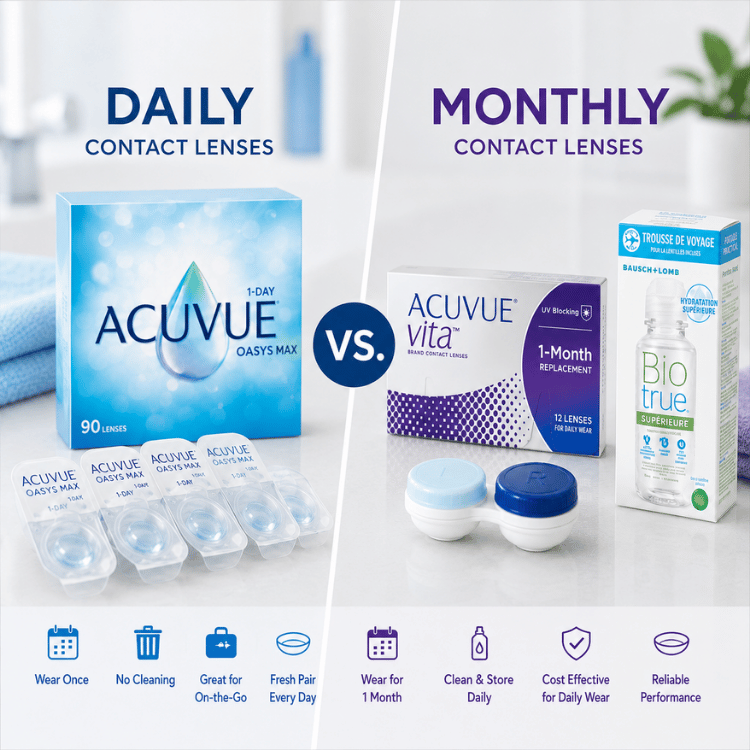
Compare daily and monthly contact lenses for comfort, convenience, cost, and lifestyle to find the option that works best for your eyes.
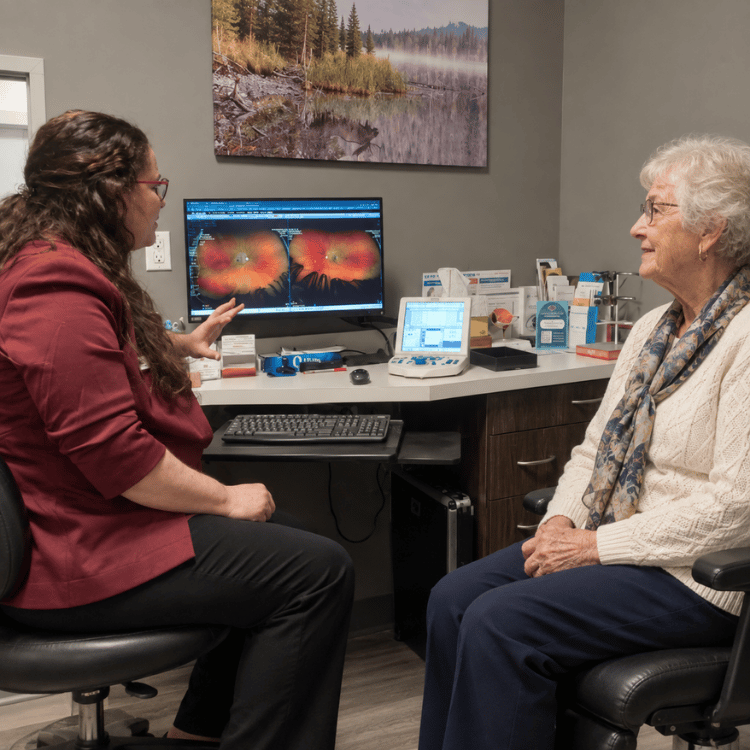
Learn why regular diabetic eye exams are essential for protecting your vision, detecting early signs of eye disease, and preventing vision loss.
Blurry vision, headaches, or light sensitivity after a concussion? Learn which symptoms may signal the need for an eye exam.

Learn how hormonal changes during menopause can worsen dry eyes, affect tear quality, and make contact lenses less comfortable.

Discover EyeFly smart audio eyewear with open-ear sound, hands-free calls, voice assistant access, and prescription-ready frames for everyday comfort.
Learn how ZEISS ClearMind lenses may support clearer vision, easier focus, and greater comfort during work, driving, reading, and screen use.
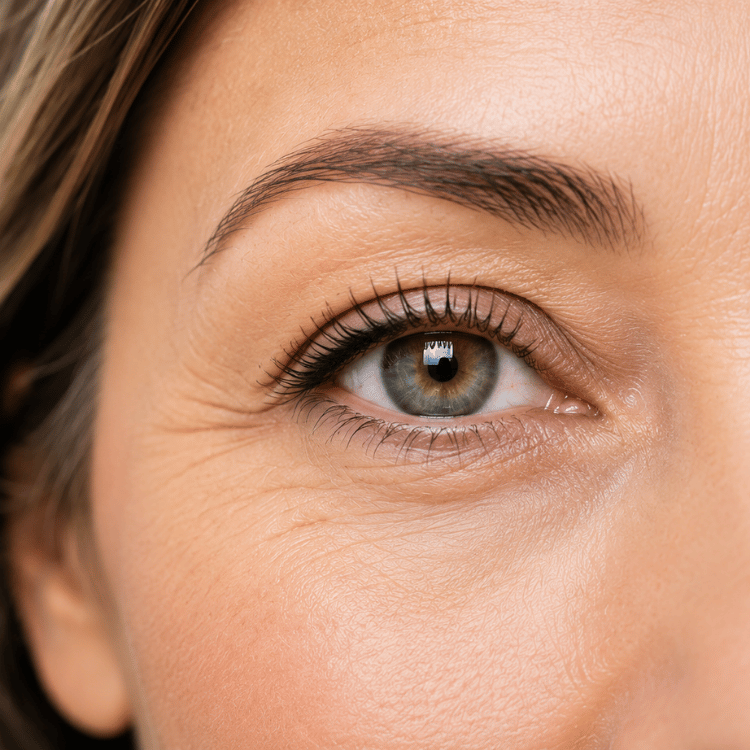
Discover how Lumenis TRILIFT™ supports better blinking, dry eye comfort, and a refreshed appearance at Mountain View Optometry.

Learn which myopia control treatment may be right for your child, from specialty contact lenses and Ortho-K to atropine eye drops.
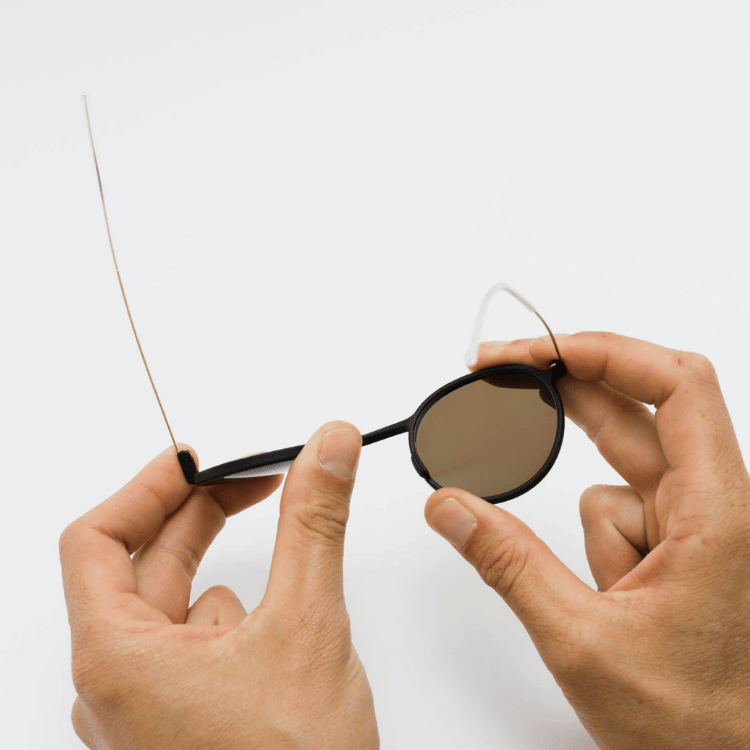
Meet annu, our newest eyewear collection, featuring lightweight comfort, modern shapes, and German design.