What are Prism Glasses, and How do They Improve Eye Teaming and Alignment?
Double vision can be frustrating and even debilitating. If it happens when you're reading, working on your computer, or trying to focus on something in the distance, you may have an eye teaming problem. Sometimes milder cases of eye teaming problems don’t cause double vision, but may result in eyestrain, headaches, dizziness, or blur.
Once properly diagnosed by your MVO Optometrist, prism glasses may be recommended to improve your eye teaming ability. Prism is an element specified in your eyeglass prescription that changes the way light enters your eyes, reducing the strain on your vision system and allowing your eyes to remain in a more restful position.
What Are Prism Glasses?
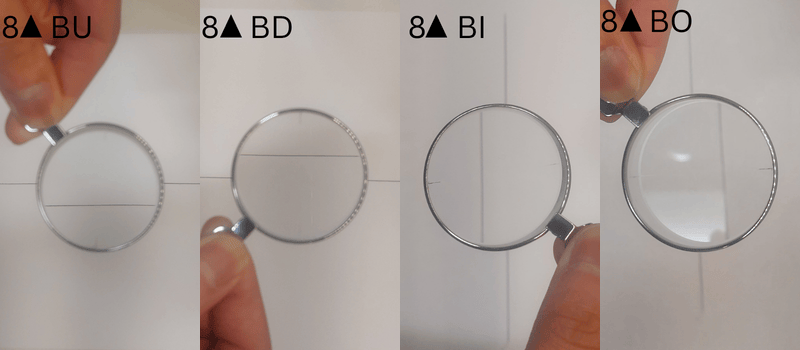
Prism glasses use a subtle triangular shaped lens to shift the direction of light as it passes through your eyes. Instead of correcting blurred vision from conditions like nearsightedness, farsightedness, or astigmatism, they make it easier for your brain to create a single, clear image by reducing the strain on your eye muscles. For those who also need blur-correction in their prescription, prism may be applied to these types of lenses also.
Prism Lenses vs. Regular Lenses
| Feature | Regular Lenses | Prism Lenses |
|---|---|---|
| Correct blurry vision | ✅ | 🚫 |
| Correct eye misalignment | 🚫 | ✅ |
| Treat eye strain from coordination issues | 🚫 | ✅ |
| Address double vision | 🚫 | ✅ |
While regular glasses help you see clearly, prism glasses help you see comfortably by fixing the underlying coordination between your eyes.
Who Needs Prism Correction?
Prism lenses are typically prescribed for those with binocular vision disorders. This could be due to muscle imbalances, neurological issues, or eye fatigue from overuse.
Common Reasons for Prism Glasses:
- Double vision due to an eye misalignment
- Eye muscle imbalance (“eye turn” or lazy eye)
- Visual symptoms after a stroke or brain injury
- Double vision following complications from diabetes or high blood pressure
- Multiple sclerosis or other neurological conditions
- Eye strain from prolonged screen time or reading
Symptoms That Prism Lenses May Help Relieve:

- Seeing double or “ghosted” images
- Headaches or eyestrain that worsens with visual tasks
- Feeling dizzy or off-balance
- Fatigue when reading or doing close work
- Difficulty with depth perception
If your eyes are sending mixed signals, prism lenses can help restore balance and reduce strain, so you can go about your day with more comfort and ease.
How Do Prism Glasses Work?
Prism lenses work by bending light before it enters the eye, guiding images to the right place on the retina. This allows your brain to fuse the two images into one, even if your eyes aren’t perfectly aligned.
Think of it like helping two misaligned projectors cast the same picture. The prism lens acts like a small correction tool, so your eye muscles are not forced to work too hard.
Types of Prism Correction: Embedded vs. Fresnel
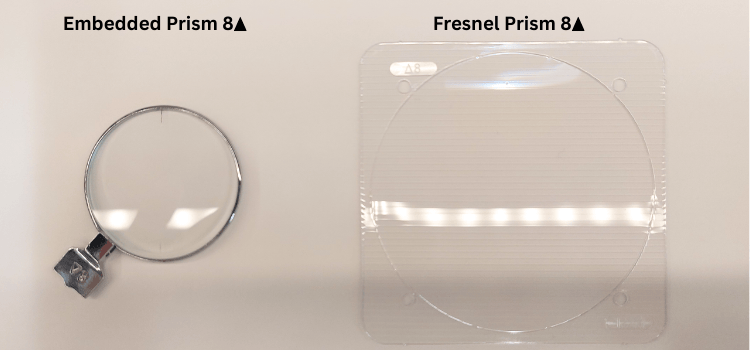
Depending on your prescription and how much prism is needed, your optometrist might recommend one of two options:
1. Embedded Prism (Ground-in Prism)
This is the most common type. The prism is permanently built into the lens during manufacturing.
Pros:
- Clean, discreet appearance with no visible lines
- Better visual clarity compared to temporary prism options
- More durable and comfortable for daily wear
- Ideal for stable, long-term prescriptions
Cons:
- Less flexible if your prescription changes, since the prism cannot be adjusted without replacing the lenses
- Thicker or heavier lenses may be required for higher prism amounts, which can affect frame choice
- Higher upfront cost compared to temporary prism options
- Not always ideal as a first step, especially if your optometrist expects your eye alignment to change over time
Embedded prism works best when your vision needs are stable. If your symptoms are still evolving, your optometrist may recommend a temporary option first to avoid unnecessary lens replacements.
2. Fresnel Prism (Press-On Prism)
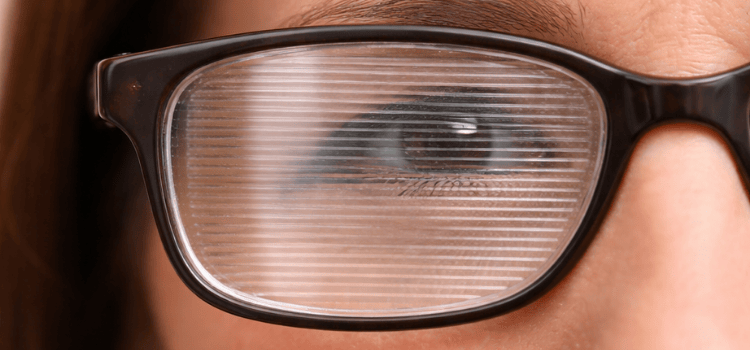
Fresnel prisms are thin, transparent films that stick to the back surface of your existing lenses. They're commonly used for temporary or trial prism correction.
Pros:
- Quick to apply and adjust without replacing your lenses
- More affordable than embedded prism options
- Ideal for short-term or changing prescriptions, like during recovery from stroke, injury, or surgery
- Lets your optometrist fine-tune the prism strength before making it permanent
Cons:
- Lines visible on the lens, which some people may find distracting
- May reduce visual clarity or contrast compared to a built-in prism
- Can peel or wear over time, especially with frequent cleaning or moisture
- Not ideal for long-term daily wear due to durability and appearance
Fresnel prisms are a great way to test how your eyes respond to prism correction or to manage symptoms during recovery, without the commitment of permanent lenses.
Ready for More Comfortable Vision?
If you're experiencing double vision, eye strain, or visual fatigue, prism glasses could make a real difference. Whether your symptoms are new or ongoing, the first step is an eye exam from your MVO Optometrist. Book a comprehensive eye exam today to find out if prism correction is right for you.
FAQ:
Can prism glasses cure double vision?
They don’t cure the underlying issue, but they can significantly reduce or eliminate double vision by improving how your eyes align.
Do you have to wear prism glasses all the time?
Most people do wear them full-time, especially if symptoms are frequent. Your optometrist will guide you on how and when to use them.
How long does it take to adjust to prism lenses?
Some people adjust in a few days, while others may need a couple of weeks. The key is giving your brain time to adapt.
Will other people notice the prism in my lenses?
With embedded prisms, no. Fresnel prisms are more visible, but they are most often used temporarily.

Written by Dr. Tom Wilk
About the Author:
Dr. Tom Wilk sees patients at his Cochrane location primarily. He developed the “Patient First” approach now adopted by all Doctors and staff at Mountain View Optometry. He obtained his Doctor of Optometry (OD) from the Michigan College of Optometry in 1994, and his B.Sc. from the University of Waterloo. A native of Toronto, Ontario, he came to Alberta in 1998, attracted by the opportunity to start an optometry practice in the only province that allowed ODs to practice within the full scope of their training.