One of the most common questions our doctors get asked is “why does my eyesight worsen at dusk or dawn?”. The answer has to do with the tiny light-gathering cells at the back of your eyes, located on your retinas.
Why is my vision worse at dusk or dawn? Photoreceptors are Cells in Retina having Rods and Cones For Strong and Weak Light
June 28, 2010

Many of you have heard of rods and cones. These are the cells that gather light at the back of your eyes, known as photoreceptors. The rods and cones have different jobs. The cones are used for sharp, detailed central vision and are most effective during daylight hours. The rods are located more peripherally in your retinas and are more sensitive in low light levels.
Because the cones need so much light to work well, when the light is weak (such as at dawn or dusk), they can’t register sharp vision. And as the light is changing, the rods are not fully active for “night mode”. So this transition period is most difficult for your eyes to adjust to. This is why so many traffic accidents happen at dusk or dawn.
So remember this when you are driving in the morning or evening – reduce your speed because you are actually not seeing as well as you normally do.

Discover how Lumenis TRILIFT™ supports better blinking, dry eye comfort, and a refreshed appearance at Mountain View Optometry.

Learn which myopia control treatment may be right for your child, from specialty contact lenses and Ortho-K to atropine eye drops.
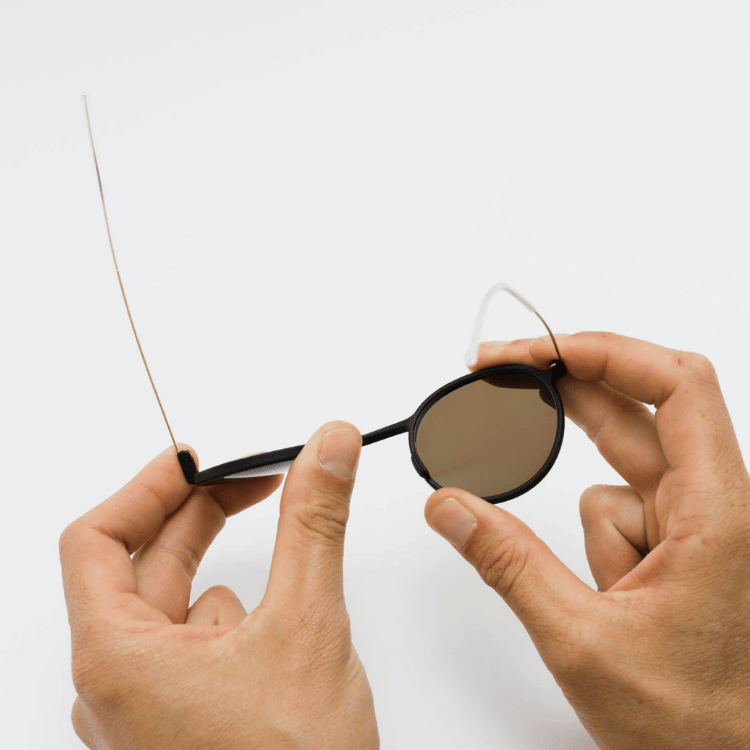
Meet annu, our newest eyewear collection, featuring lightweight comfort, modern shapes, and German design.
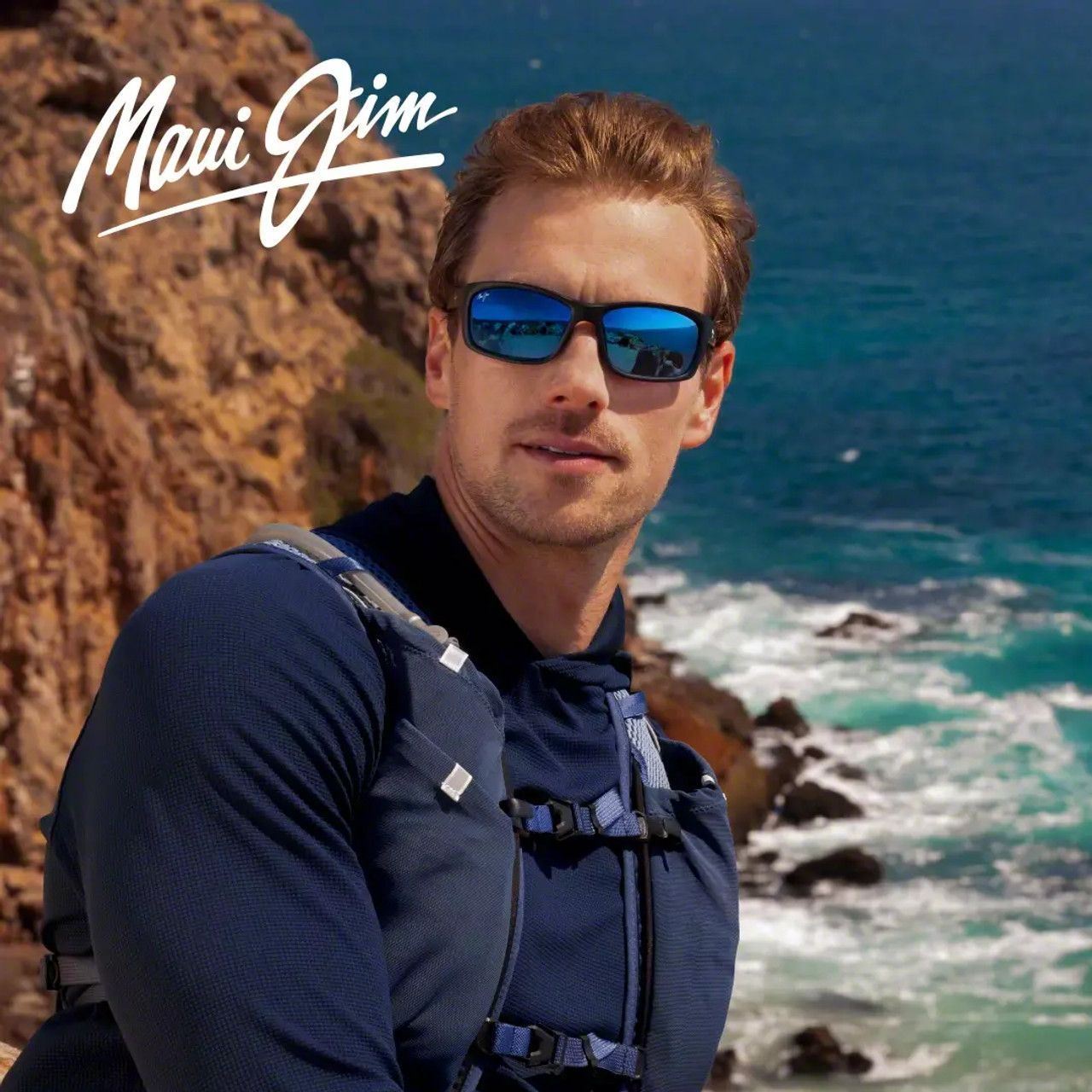
Explore Maui Jim Sunglasses for Spring-Summer 2026, featuring vibrant style, exceptional clarity, and all-day comfort for brighter days ahead.

Twenty-six rolls of film capture the anticipation of 2026, reflecting the instinct, intensity, and creative vision of an independent brand.

Learn why buying eye drops online can be risky, from contamination and counterfeit products to poor storage, plus when to seek urgent eye care.

Eye emergency? Get fast, same-day care at Mountain View Optometry. Learn symptoms, what to do, and how to protect your vision.
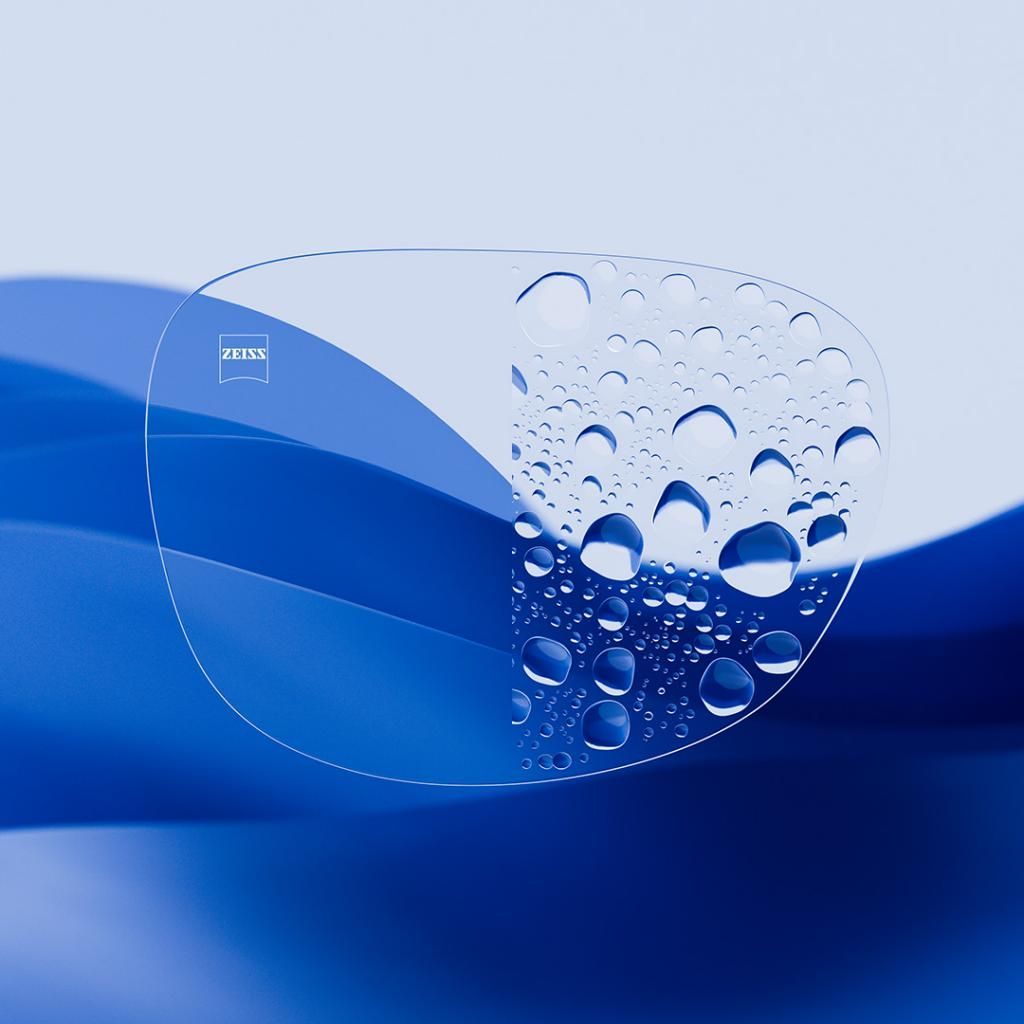
ZEISS CleanGuard is a new lens coating technology designed to make glasses easier to clean and more resistant to fingerprints, dust, and water.

Discover how Meta AI Glasses help people with low vision read text, identify surroundings, and navigate daily life with greater independence.
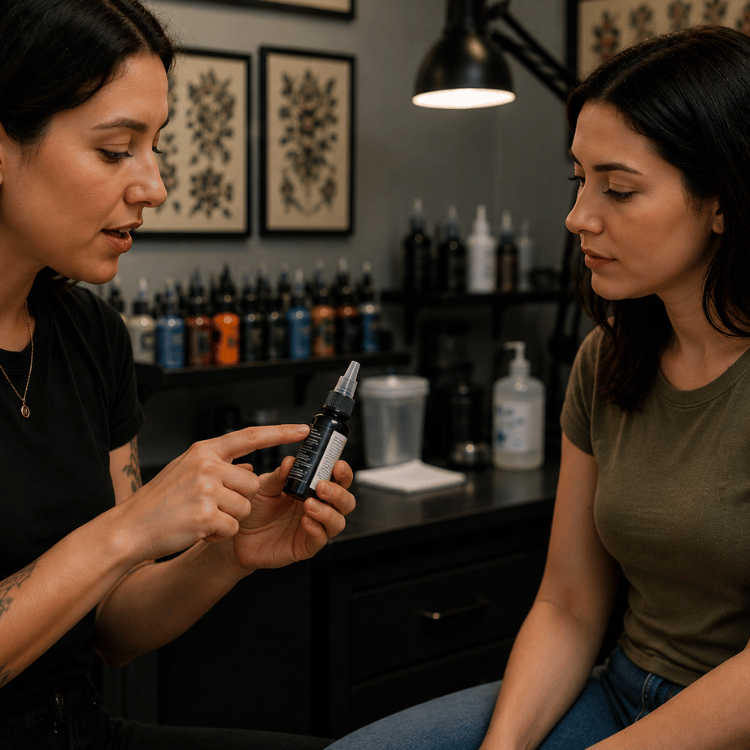
Learn about tattoo-associated uveitis, a rare eye inflammation linked to tattoo ink reactions, and the symptoms that should prompt an eye exam.