WHY DO YOU HAVE DRY EYES? HERE ARE 7 REASONS…
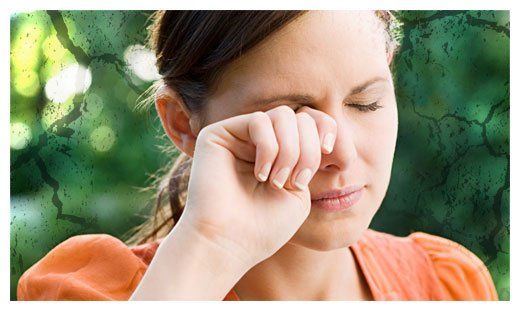
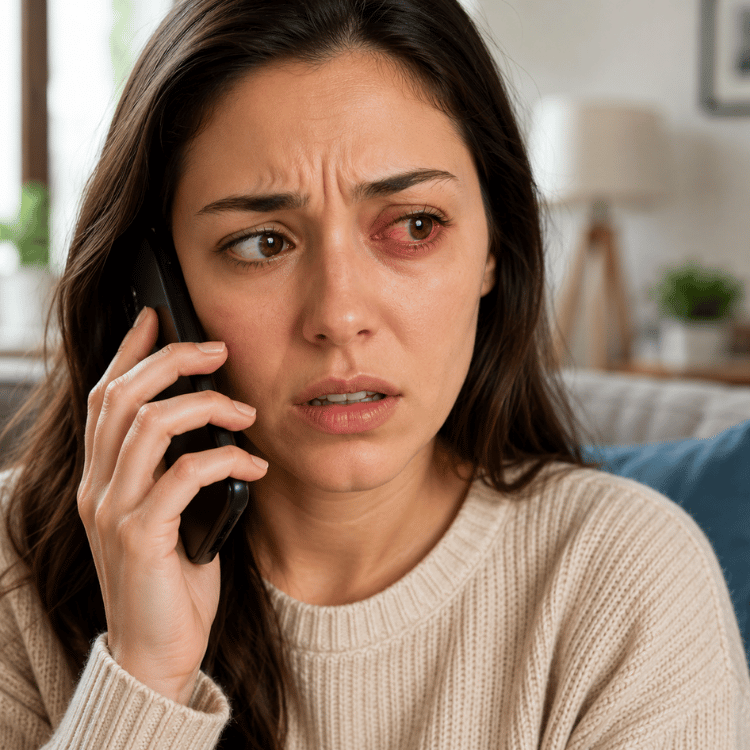
Dry eye disease is one of the most common conditions seen at our clinics. It has been found in as high as 50% of the population1. Symptoms vary from intense scratchiness, grittiness, itching and filmy vision to no symptoms at all. Frequently our patients are surprised to learn they have dry eye disease and wonder what could have caused them to get it in the first place.
What causes dry eyes? Here are seven contributing factors
- Excessive screen time. The usage of electronic screens found in laptops, tablets, desktop systems and phones, has seen a dramatic increase across all age groups. The more we use these devices, the less frequently we blink. This causes rapid evaporation of tears off the surface of the eyes, contributing to inflammatory changes leading to dry eye disease.
- Contact lens use. Contact lenses restrict the flow of oxygen to the cornea, as well as mechanically disrupt the thin film of tears that coats the front of your eyes. Switching to healthier lens options such as daily disposables, as well as ensuring you are wearing the most up-to-date breathable technology can help. Combined with appropriate dry eye therapy, permanent removal of contact lens wear is often not necessary.
- Where you live. Drier climates like what we have in Alberta are tougher on our eyes, especially during the winter season. Consuming enough fluids, using humidifiers, and directing air vents away from your eyes are helpful solutions.
- Age. The prevalence of dry eye disease increases with increasing age. The systems that provide lubrication to our eye’s surface become less functional over time. Oil glands in our eyelids that prevent loss of tears tend to atrophy over time, leading to evaporative dry eye disease. While we can’t help the fact that we are aging, effective dry eye treatment goes a long way towards combatting and even reversing some of the effects of the passage of time.
- Other health or skin issues. Rheumatoid arthritis, Sjogren’s syndrome, Lyme disease and Lupus are a few autoimmune conditions that are strongly associated with dry eye disease. Rosacea is a common skin condition very closely linked with evaporative dry eye (also known as meibomian gland dysfunction). Often the presence of one or more of these conditions requires a unique approach to managing your dry eyes, which your MVO optometrist will be paying close attention to over the course of your therapy.
- Medications. Dozens of commonly prescribed medications have dry eyes listed as a known side effect. These include antihistamines, oral contraceptives, blood pressure medications, and anti-depressants. Where possible, dosages may be adjusted or medications modified to reduce their effect on your dry eyes.
- Allergies. The presence of allergies may compound the symptoms associated with dry eye disease. Also, since both conditions may include significant amounts of inflammation, and the symptoms may be similar for each, they can be challenging to manage effectively when both are present. Fortunately, there are prescription medications that are effective for allergies – please discuss with your MVO optometrist.
Despite the numerous factors contributing to dry eye disease, effective therapies are available and new ones are evolving quickly. The correct therapy depends on the diagnosis, which can be complex (there are nine different types of dry eye) so it is important to see an optometrist who knows how to manage it. Fortunately, we have three Optometrists at Mountain View Optometry with a special interest in dry eye disease – book an appointment or call with questions if you have symptoms of dry eyes.
Regardless of whether your symptoms are mild, moderate, or severe, if you have been identified as having dry eye disease it is important to manage it effectively to prevent rapid progression. Book your appointment for a consultation today.
- https://journals.lww.com/homehealthcarenurseonline/fulltext/2018/03000/dry_eye_disease__prevalence,_assessment,_and.3.aspx
- Source: 7 Reasons Why You Have Dry Eye | MyDryEye Space